
Most people have more than one concern when it comes to rejuvenating their skin. The fine lines are often accompanied by uneven tones. Skin that is loose often appears along with skin that has a stubborn texture. Treatments that only target one problem can seem incomplete. Microneedling and EMTONE are two popular options that skin clinics often recommend. Both have different uses, but they can complement each other well. It’s not about which is better but which should be first.
It is easier to answer the question if you know the differences between the two treatments.
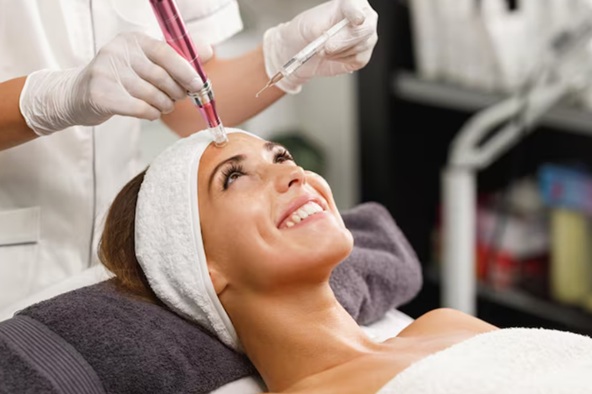
The texture is the key to microneedling. Microneedling uses tiny needles in order to cause controlled micro-injuries on the skin. It may sound extreme, but it is actually a way to kickstart your body’s own healing response. Your skin produces more collagen and elastic as it repairs itself. This can smooth out acne scars and improve the appearance of pores over time.
EMTONE tackles a different issue: tone and quality of skin from the inside. It uses thermal energy and mechanical vibrations to improve blood circulation, target underlying tissues, and improve overall skin tightness. It is often used to smooth out dimpling and improve laxity. It also restores firmness in areas of skin that look crepey or uneven.
Both treatments are effective in improving the skin’s appearance, but they work at different levels and have different goals. This is where the sequence comes into play.
In the majority of cases, microneedling comes first.
Why? Microneedling is used to prepare the skin. Imagine it as a reset of the surface. By stimulating collagen production in the upper layers of skin, you can create a more healthy foundation. A smoother texture makes it easier for follow-up treatments. Skin becomes more responsive. EMTONE also gives a clearer picture of the deeper improvements that are needed.
The skin’s overall function is also improved by microneedling. The skin will be better able to absorb and respond subsequent treatments with improved circulation at the surface. It is fine to do EMTONE before addressing the outer skin texture. However, without addressing this first, results might not be as balanced or complete.
After microneedling, and after the skin has healed, EMTONE can refine the skin’s surface. Here, tone, firmness and structure start to improve. EMTONE repairs damaged tissue and remodels deeper layers to give the skin a smoother look that lasts for longer.
The two approaches are like a double-punch.
Microneedling improves the skin’s surface and increases regeneration. EMTONE strengthens the structure underneath. This is similar to painting a wall. You fix the cracks, and then reinforce the foundation. Focusing on one aspect of the equation is not as effective as focusing on both.
There are always exceptions.
EMTONE is a good choice for someone with minimal texture problems and loose skin. Microneedling may be required to achieve any results for someone with severe acne scarring or uneven pores. Smart approaches always take into account the skin condition, lifestyle and goals of each individual.
Takeaway: The message is clear.
The problem of texture and tone is not the same, and attempting to solve both with one tool will rarely give a satisfactory result. EMTONE and Microneedling are not competitors. They are complementary. They complement each other. EMTONE is then used to tighten, strengthen, and improve skin quality.
Sequencing is important if you want to achieve real results, not just temporary changes. Smoothness and firmness are not enough to make for good skin. Balance is key.
In skin care, it is balance that makes the results visible.
This post was written by a licensed professional at Vive Aesthetics, a trusted medical spa offering Professional Microneedling in Lakewood Ranch to enhance your natural beauty and overall wellness. Guided by a thoughtful “less is more” philosophy, our team delivers subtle, balanced results through personalized care so you look refreshed, feel confident, and stay authentically you every single day.