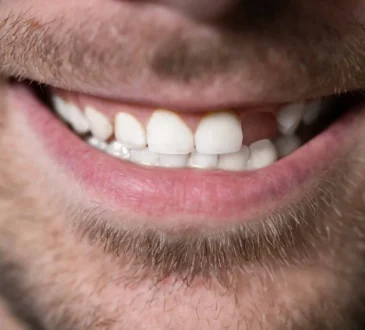


Jaw pain and discomfort can interfere with everyday activities such as eating, speaking, and sleeping. One common cause of such issues is TMJ disorders, which affect the temporomandibular joint connecting the jaw to the skull. These disorders can range from mild discomfort to severe pain and restricted movement. Understanding the symptoms and management options can help individuals seek timely treatment and improve their quality of life.
What Are TMJ Disorders
TMJ disorders refer to a group of conditions affecting the temporomandibular joint and the muscles surrounding it. This joint acts as a sliding hinge, allowing the jaw to move smoothly in different sleep apnea directions. When there is a problem with the joint or the muscles, it can lead to pain, stiffness, or difficulty in jaw movement. These disorders may be caused by factors such as injury, teeth grinding, stress, or arthritis.
Common Symptoms
The symptoms of TMJ disorders can vary from person to person. One of the most common signs is pain or tenderness in the jaw, especially while chewing or speaking. Some individuals may also experience pain around the ears, face, or neck.
Another noticeable symptom is a clicking, popping, or grinding sound when opening or closing the mouth. While this may not always be painful, it can indicate an issue with the joint. In more severe cases, the jaw may become locked, making it difficult to open or close the mouth fully.
Headaches and ear-related symptoms are also common. People may feel pressure in the ears or experience frequent headaches due to muscle tension. These symptoms can sometimes be mistaken for other conditions, which makes proper diagnosis important.
Causes and Risk Factors
Several factors can contribute to the development of TMJ disorders. Teeth grinding, also known as bruxism, puts excessive pressure on the joint and surrounding muscles. Stress is another major factor, as it can lead to jaw clenching without the person realising it.
Injury to the jaw or joint, arthritis, and misalignment of teeth or bite can also increase the risk. In some cases, the exact cause may not be clearly identified, but the symptoms can still be managed effectively.
Management and Treatment Options
Managing TMJ disorders often involves a combination of self-care practices and medical treatment. Simple measures such as applying warm or cold compresses can help reduce pain and inflammation. Eating soft foods and avoiding excessive jaw movement can also provide relief.
Stress management techniques like relaxation exercises and mindfulness can help reduce jaw clenching. In many cases, dentists may recommend a mouthguard or splint to prevent teeth grinding during sleep.
Medications such as pain relievers or muscle relaxants may be prescribed to control discomfort. Physical therapy can also be beneficial in improving jaw movement and strengthening the surrounding muscles.
In severe cases, more advanced treatments such as injections or surgery may be considered. However, these options are recommended only when other methods have not been effective.
Conclusion
TMJ disorders can significantly affect daily life, but they are manageable with the right approach. Recognising symptoms such as jaw pain, clicking sounds, and restricted movement is the first step toward proper care. With a combination of lifestyle changes, professional guidance, and appropriate treatment, most individuals can find relief and restore normal jaw function. Early attention and consistent management play a key role in preventing the condition from worsening and ensuring long-term comfort.