
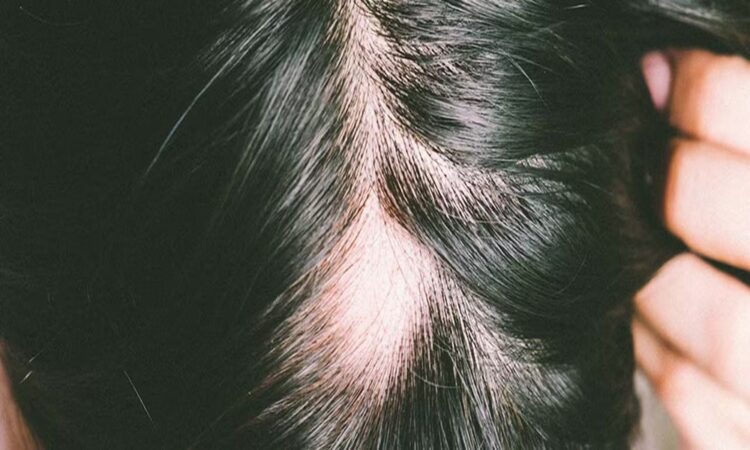
This condition represents a common form of non-scarring hair loss. It affects approximately 2% of the global population. Individuals of any age, gender, or ethnic background can be impacted.
The root cause involves the body’s immune system. It mistakenly identifies healthy follicles as threats. This leads to an attack that halts hair production.
Current research highlights a complex interplay of factors. Genetic predisposition sets the stage. Environmental triggers and psychological pressure then contribute. These elements converge with autoimmune dysfunction.
Manifestations vary significantly in their presentation. Some people develop small, coin-sized patches. Others may experience total scalp involvement (totalis) or complete absence of body hair (universalis).
Grasping these connections is fundamental for effective care. It guides accurate diagnosis and informs treatment selection. A comprehensive management strategy addresses the whole picture.
Key Takeaways
- It is an autoimmune disorder where the immune system attacks follicles.
- Genetic susceptibility and environmental factors play significant roles.
- Presentation ranges from small patches to complete loss of scalp or body hair.
- Both psychological and oxidative stress are recognised contributing factors.
- Thorough assessment is essential for proper diagnosis and management.
- The condition frequently coexists with other autoimmune issues.
- Understanding the mechanisms is crucial for selecting appropriate therapies.
Understanding Alopecia Areata: Stress and Autoimmune Hair Loss
A key feature of this disorder is the preservation of the hair follicle’s underlying structure, offering hope for potential regrowth. This defines it as a non-scarring hair loss condition. The roots remain viable beneath the skin.
Defining Non-Scarring Hair Loss
In non-scarring forms, follicles are not permanently destroyed. They can become dormant due to inflammation but are not replaced by scar tissue. This is a crucial distinction from scarring alopecias.
Scarring alopecias involve permanent follicle destruction through fibrosis. Regrowth becomes impossible. In contrast, the problem here is a functional disruption of the growth cycle.
Overview of Autoimmune Mechanisms
The issue stems from a misdirected immune system. The body’s defences mistakenly identify parts of the hair follicles as foreign threats. This triggers an inflammatory attack.
Specific immune cells, particularly CD8+ T cells, orchestrate this assault. They target follicles during their active growth phase. A central event is the collapse of immune privilege.
Normally, this privilege shields follicles from immune surveillance. Its breakdown allows the attack to proceed. Inflammatory signals like interferon-gamma (IFN-γ) then create a hostile local environment, halting hair production.
Causes and Triggers: The Impact of Stress and Autoimmunity
Unravelling the triggers involves understanding how the body’s defence system can be misguided by both mind and environment. The onset is typically multifactorial, with no single cause identified for many individuals.
Psychological and Environmental Stressors
Significant life events or emotional trauma are frequently reported before episodes begin. A UK study confirmed higher rates of depression and anxiety in affected people.
Chronic pressure can dysregulate immune function via hormonal pathways. This may compromise the special protection of follicles.
Physical illness or environmental exposures are also considered potential catalysts. However, establishing a definitive causal link remains complex.
Immune System Dysregulation
Genetic predisposition creates a vulnerability to autoimmune responses. Specific triggers, like a prior viral infection, may then activate this faulty programme.
The central problem is a loss of self-tolerance. The body’s defences mistakenly attack its own tissues.
This dysfunction explains its frequent co-occurrence with other autoimmune conditions. These include thyroid disease, vitiligo, and type 1 diabetes.
|
Potential Trigger Category |
Common Examples |
How It May Contribute |
|
Psychological Stress |
Major life changes, emotional trauma |
May alter hormone levels (e.g., cortisol), affecting local immune regulation. |
|
Previous Infection |
Viral illnesses |
Could ‘prime’ the immune system in a genetically susceptible person, leading to mistaken targeting. |
|
Genetic Susceptibility |
Family history of autoimmune conditions |
Creates an inherent risk for immune system errors that can be activated by external factors. |
The Role of Oxidative Stress in Hair Follicle Damage
Beyond immune dysfunction, a harmful internal environment marked by chemical instability contributes significantly to follicle injury. This state, known as oxidative stress, arises from an imbalance between damaging molecules and the body‘s protective systems.
Reactive Oxygen Species and Antioxidant Systems
Reactive oxygen species (ROS) are unstable molecules like superoxide radicals. They are generated naturally during metabolism and by external factors like UV light. In excess, they damage lipids, proteins, and DNA within cells.
Hair follicles are especially vulnerable. Their high metabolic rate and pigment production create more ROS. Studies show individuals with alopecia areata have elevated markers like malondialdehyde, indicating significant lipid damage.
The skin counters this with antioxidant defences. Enzymatic systems, including superoxide dismutase (SOD) and glutathione peroxidase, neutralise ROS. Non-enzymatic antioxidants like vitamins C and E also provide crucial protection.
In this disorder, the antioxidant process is often overwhelmed. Research notes decreased activity of key enzymes like SOD. This compromised defence allows ROS to accumulate, creating a damaging cycle that can impair follicle function and potentially trigger further immune activity.
Immune Privilege Collapse and Inflammatory Responses
A critical event in the pathogenesis involves the disruption of follicular immune privilege, a natural safeguard. Healthy, growing follicles normally maintain this special status. They actively suppress molecules that would identify them to the body’s defences.
Mechanisms of Immune Attacks on Hair Follicles
When this privilege fails, previously hidden antigens become visible. Cytotoxic cells, particularly CD8+ T lymphocytes, then infiltrate the area. Histopathology often shows a characteristic “swarm of bees” pattern around affected roots.
These cells express NKG2D receptors on their surface. They use these receptors to recognise danger signals. The interaction initiates a targeted assault on the follicle structure.
Upregulation of MHC and NKG2D Ligands
The attack is propelled by upregulated signals from the hair follicles themselves. Under duress, follicle epithelial cells increase production of MHC class I molecules and NKG2D ligands.
This creates a self-perpetuating inflammatory cycle. Activated T cells release interferon-gamma (IFN-γ). This cytokine stimulates the follicles to produce interleukin-15 (IL-15), which further activates the T cells.
The cycle relies on JAK-STAT signalling pathways. Understanding this precise mechanism has been crucial. It directly informed the development of targeted JAK inhibitor therapies for alopecia areata.
Clinical Presentation and Symptomatology
Clinically, the disorder manifests through specific changes to hair and sometimes nails. Recognising these features is key for accurate identification.
Typical Patterns of Hair Loss
The classic sign is one or more smooth, round patches of complete baldness. These areas lack inflammation or scaling.
They most often appear on the scalp but can affect any hair-bearing skin. This includes beards, eyebrows, and eyelashes.
The condition exists on a spectrum. It ranges from a single patch to complete scalp baldness (totalis) or loss of all body hair (universalis).
A pathognomonic feature is the exclamation mark hair. These are short, broken strands narrower at the base, often seen at patch margins.
Regrowth typically begins as fine, white hairs in the centre. These gradually thicken and may regain their natural colour over time.
Associated Nail and Skin Changes
Nail involvement occurs in 10-20% of cases. Alterations can include:
- Pitting (small depressions)
- Ridging or roughening
- Increased brittleness
The skin within bald patches appears normal. Preserved follicular openings confirm its non-scarring nature.
Some individuals report sensory symptoms like itching or tingling. These sensations may precede visible hair loss.
Diagnostic Approaches and the Role of Scalp Biopsy
Doctors employ a stepwise approach to identify the specific type of patchy hair loss a patient is experiencing. The process is primarily clinical, relying on a characteristic appearance.
A thorough medical history is essential. Clinicians ask about the onset, progression, and any family history of similar issues or other immune disorders.
Clinical Assessments and Laboratory Tests
Physical examination includes the hair pull test. Gently pulling a small group of strands assesses active shedding.
Dermoscopy, or trichoscopy, is a valuable non-invasive tool. It reveals features like yellow dots (empty follicles) and black dots (broken hairs).
|
Diagnostic Method |
Primary Purpose |
Key Findings |
|
Clinical History & Exam |
Initial assessment of pattern and history |
Smooth patches, exclamation mark hairs, personal/family medical history. |
|
Dermoscopy (Trichoscopy) |
Detailed, non-invasive follicle analysis |
Yellow dots, black dots, short regrowing hairs. |
|
Blood Tests |
Screen for associated conditions |
Thyroid function, vitamin levels (e.g., D, ferritin), inflammatory markers. |
|
Scalp Biopsy |
Definitive analysis for atypical cases |
Patterns of inflammation, immune cell activity, rules out scarring. |
Laboratory tests are not always needed. They are used when the diagnosis is unclear or to check for linked conditions like thyroid disease.
A scalp biopsy is reserved for atypical presentations. This minor procedure allows direct tissue examination. It can confirm the diagnosis and rule out other causes.
This comprehensive assessment ensures accurate diagnosis. It guides appropriate treatment and identifies any underlying health issues.
Treatment Options and Management Strategies
Current clinical practice offers multiple avenues to address patchy baldness and encourage follicle recovery. While no cure currently exists for alopecia areata, various treatments can manage symptoms and stimulate regrowth. Treatment selection depends on the extent and severity of involvement.
Topical and Systemic Therapies
First-line options for limited patches include corticosteroid creams, lotions, or foams. These reduce local inflammation around follicles.
Intralesional steroid injections are considered most effective for localised areas. They are administered every 4-6 weeks directly into affected sites on the scalp.
For more extensive cases, systemic immunosuppressants may be considered. These include methotrexate, ciclosporin, or azathioprine. Their use requires careful risk-benefit assessment due to potential side effects.
Innovative Approaches Including Minoxidil and JAK Inhibitors
Minoxidil solution may enhance regrowth when used alongside other therapies. Evidence for its use alone remains limited.
A groundbreaking development is the class of JAK inhibitor tablets. These target the specific inflammatory pathways central to alopecia areata. Ritlecitinib is approved for NHS funding for severe cases in patients aged 12 or over. Baricitinib is licensed but not currently NHS-funded.
Consultations at Surgical Arena Ltd
Specialist assessment at centres such as Surgical Arena Ltd provides comprehensive evaluation. This includes trichoscopy, tailored treatment planning, plus access to emerging therapies for refractory cases.
Complementary Therapies and Lifestyle Modifications
1. First Sentence Variations for Section 9: – Variation 1: “Alongside medical treatments, supportive lifestyle strategies play a crucial role in managing the condition’s impact.”
– Variation 2: “Integrating holistic practices with conventional care can enhance overall wellbeing for individuals affected.”
– Variation 3: “Management extends beyond pharmaceuticals to include daily habits that support immune balance and scalp health.”
– Variation 4: “Complementary approaches focus on creating a favourable internal environment for follicle recovery.”
– Variation 5: “Supportive care through diet and stress reduction forms a valuable adjunct to clinical therapies.”
Choice: Variation 5. It directly introduces the core themes of “diet” and “stress reduction” as supportive elements, which aligns perfectly with the H3 headings “Stress Management and Dietary Adjustments.” It is distinct from all previous opening sentences, which focused on definitions, mechanisms, triggers, clinical presentation, diagnosis, or treatment options. This sentence starts a new, actionable section on lifestyle.
2. Coverage of
: The section must discuss complementary approaches, stress management techniques (mindfulness, CBT, hypnosis, aromatherapy), dietary adjustments (nutrients, anti-inflammatory patterns), and other lifestyle factors (sleep, exercise, gentle hair care). It must acknowledge these do not cure the condition but provide supportive benefits for wellbeing and may optimise treatment conditions. 3. Brand Voice: Not specified, so maintain a professional, informative, and supportive tone suitable for a UK medical audience. 4. Formatting: Use for key advantages/features (e.g., “valuable adjunct,” “significant improvement”). Use for emotional/intonational accents (e.g., “cannot cure,” “may help”). Will structure with H2, introductory paragraph, H3, and several short paragraphs. 5. Final HTML: Will be structured with appropriate tags. 6. Keyword Placement Matrix & Restrictions: – Target Keywords: “alopecia areata” (max 3), “stress” (max 4), “hair growth” (max 2), “treatment” (max 2), “growth” (max 3), “hair” (max 5), “people” (max 2), “body” (max 2). – Prohibited Overuse: “Alopecia”, “Areata”, “Stress”, “and”, “Autoimmune”, “Hair”, “Loss” – each used no more than twice in the text. – Estimated word count: 180. Max repeats per keyword = (180/100)*2 = 3.6, so aim for 3 max for most. Will track usage. 7. Readability: Create short paragraphs (2-3 sentences max). Aim for Flesch Reading Ease 60-70 (8th/9th grade). Use simple, clear language. 8. WebInfo: Not provided, so rely on the data in the current_section brief. Content Plan: – H2: Complementary Therapies and Lifestyle Modifications – Intro Paragraph: State that these are supportive, not curative, but optimise conditions for treatment and wellbeing. – H3: Stress Management and Dietary Adjustments – Paragraph 1: Explain the link between psychological stress and immune exacerbation. Introduce evidence-based techniques (mindfulness, CBT, hypnosis). – Paragraph 2: Mention aromatherapy for anxiety/depression, noting lack of proven effect on regrowth. – Paragraph 3: Discuss dietary support: correcting deficiencies (iron, vit D, zinc, B12, biotin) and anti-inflammatory patterns. – Paragraph 4: Cover other lifestyle factors: sleep, exercise, avoiding smoking/alcohol, gentle scalp care. – Ensure all bullet points from the brief are addressed thematically, not as a list. The user has asked me to write section 9 of an article. I need to follow the instructions carefully. First, I need to analyze the requirements and plan my content in a
Link Between Autoimmune Conditions and Alopecia
This patchy hair loss often does not occur in isolation, sharing common roots with other health issues. The disorder is an autoimmune condition, meaning the body’s defence system mistakenly targets its own tissues. This underlying dysfunction explains why it frequently coexists with other specific disorders.
Autoimmune Thyroid Disease and Other Disorders
Autoimmune thyroid disease is one of the most common associations. Both an underactive and overactive thyroid can cause diffuse hair thinning. Studies suggest between 8-28% of individuals with alopecia areata have thyroid autoimmunity.
Regular screening with thyroid function tests is often recommended. Other linked conditions include vitiligo and type 1 diabetes.
Atopic conditions like eczema and asthma are also more prevalent. This points to overlapping immune abnormalities across different disease types.
Hereditary and Genetic Factors
A significant genetic contribution exists. Approximately 10-20% of affected people report a family history of the same condition.
Having a family history of other autoimmune conditions also increases personal risk. The inheritance pattern is polygenic, involving multiple genes.
Genetic predisposition alone does not guarantee development. Environmental triggers are typically required to initiate the autoimmune condition.
|
Associated Condition |
Type |
Key Note |
|
Autoimmune Thyroid Disease |
Autoimmune |
Present in 8-28% of cases; requires monitoring. |
|
Vitiligo |
Autoimmune |
Another condition causing skin depigmentation. |
|
Type 1 Diabetes |
Autoimmune |
Increased statistical risk of co-occurrence. |
|
Atopic Dermatitis (Eczema) |
Atopic |
Suggests shared immunological pathways. |
Expert Views from The Psychodermatologist
Perspectives from psychodermatology underscore that treating emotional distress is as vital as targeting the physical symptoms.
This specialty recognises a powerful two-way street. The condition affects mental health, and psychological stress can, in turn, influence its course. A UK study confirmed higher rates of depression and anxiety in people affected.
This emotional burden impacts daily life and self-esteem. The unpredictable nature of patchy baldness creates ongoing worry. This anxiety may itself contribute to flare-ups.
The Psychodermatologist advocates for integrated care. Comprehensive management includes psychological assessment. Support options like cognitive behavioural therapy can build resilience.
Addressing these factors improves overall outcomes. It helps individuals cope better and may optimise treatment response. Successful care addresses both body and mind.
Advancements in Research and Future Perspectives
Future management strategies may be revolutionised by advancements in targeted therapy and precision medicine. Ongoing studies aim to deliver more effective and personalised care.
Emerging Antioxidant and Immunomodulatory Therapies
Research explores antioxidants like vitamins C, D, and E as supplementary support. These may help reduce oxidative damage to follicles.
New tablet-based JAK inhibitors, such as deuruxolitinib, show promise in trials. Biological agents like dupilumab are also being reviewed for specific cases.
Implications for Early Diagnosis and Long-Term Management
Scientists are identifying biomarkers to predict disease activity earlier. Advanced trichoscopy and AI analysis could monitor response to treatment.
The goal is precision medicine, tailoring plans to an individual’s immune profile. Combining different therapies may address multiple pathways for better long-term results.
Conclusion
Ultimately, the prognosis for individuals experiencing this form of hair loss varies significantly based on several key factors.
For limited patches, approximately 80% of people see complete regrowth within one year, even without intervention. However, the course is unpredictable and recurrence is common.
In contrast, extensive involvement from the outset presents a greater challenge. Those with over half the scalp affected face a tougher prognosis.
Complete loss (totalis or universalis) offers only about a 10% chance of full recovery.
Several factors influence outcomes. These include age at onset, family history, presence of other immune-mediated diseases, and nail changes.
Comprehensive care addresses inflammation, supports psychological wellbeing, and may include advanced therapies like JAK inhibitors. While not a cure, these approaches offer significant hope.
Seeking specialist evaluation early optimises the potential for preserving follicle function and achieving regrowth.
FAQ
What exactly is alopecia areata?
Alopecia areata is a specific autoimmune condition where the body’s own immune defences mistakenly attack healthy hair follicles. This leads to non-scarring hair loss, meaning the follicles are not permanently destroyed and retain the potential for regrowth. It commonly presents as one or more round, smooth patches on the scalp.
How does stress contribute to this type of hair loss?
While not a direct cause, significant psychological or physical stress is a well-known trigger that can initiate or worsen episodes. Stress is thought to disrupt the delicate immune privilege of the hair follicle and may increase inflammatory signals, prompting the autoimmune attack that characterises the condition.
What diagnostic tests might a specialist use?
Diagnosis is primarily clinical, based on the appearance of the hair loss. A dermatologist may use a tool called a dermoscope to examine the scalp closely. In uncertain cases, a scalp biopsy can be performed to confirm the diagnosis by revealing characteristic immune cells around the follicles.
Are there effective treatments available?
Yes, several treatment options exist to manage the condition. These range from topical corticosteroids or minoxidil to stimulate regrowth, to more advanced systemic therapies like JAK inhibitors for extensive cases. A consultation with a specialist at a clinic like Surgical Arena Ltd can determine the most suitable approach for an individual’s specific pattern and severity.
Is this condition linked to other health issues?
Individuals with alopecia areata have a higher statistical chance of developing other autoimmune disorders, such as thyroid disease, vitiligo, or type 1 diabetes. A doctor may recommend blood tests to screen for these associated conditions, especially if there is a relevant family history.
Can lifestyle changes help with management?
A> Adopting certain lifestyle modifications can be a beneficial part of a holistic management plan. Techniques to reduce stress, such as mindfulness or counselling, alongside a balanced diet rich in antioxidants, may help support overall well-being and potentially modulate the body’s inflammatory processes.
What is the long-term outlook for someone with this diagnosis?
The prognosis varies greatly. Many people experience spontaneous regrowth within a year, though episodes can recur. For some, the hair loss may progress to more extensive forms. Ongoing research into new antioxidant and immunomodulatory therapies continues to improve the long-term management strategies for this complex condition.