

In contemporary British society, many individuals find it challenging to maintain equilibrium between their mental and physical health demands. The fast pace of modern life often creates a disconnect, making it difficult to achieve harmony across different life aspects.
The mind-body connection represents a fundamental relationship where thoughts and emotions directly influence physical health outcomes. Simultaneously, one’s physical state affects mental wellbeing and emotional resilience. This bidirectional relationship forms the core of effective health practices.
Structured approaches to lifestyle guidance provide practical methods to nurture this essential connection. These evidence-based practises address both psychological and physical aspects of wellbeing, offering comprehensive pathways to personal growth.
This article explores various strategies that help individuals manage career pressures, relationship demands, and personal development goals. The focus remains on creating sustainable harmony through measurable progress and practical tools for daily life.
Key Takeaways
- The mind-body connection operates as a two-way relationship influencing overall health
- Modern lifestyles often create imbalances between mental and physical demands
- Structured approaches offer practical methods for achieving personal harmony
- Evidence-based practises address multiple aspects of daily life simultaneously
- Sustainable results come from measurable progress and consistent application
- Comprehensive strategies help manage career, relationships, and personal growth
- Practical tools can be integrated into everyday routines for lasting benefits
Understanding the Mind-Body Balance Journey
The path to integrated living begins with recognising the continuous dialogue between psychological and physiological states. This journey involves developing awareness of how thoughts, feelings, and physical sensations constantly interact throughout daily experiences.
The Role of Mindfulness in Daily Practices
Mindfulness offers a practical approach to strengthening the mind-body connection. By focusing on present-moment awareness during routine activities, individuals can observe how mental states influence physical responses.
Simple practices like mindful breathing or eating create opportunities to notice these connections without demanding significant time commitments. This awareness enables more conscious choices about personal health and wellbeing.
Cultivating Emotional Awareness for Resilience
Developing emotional resilience requires understanding how feelings manifest physically. Recognising emotional triggers through self-reflection helps individuals manage stress more effectively.
Journaling serves as a valuable tool for processing emotions and identifying patterns. This practice supports both mental clarity and physical comfort by providing healthy outlets for emotional expression.
| Mental State | Physical Manifestation | Management Approach |
|---|---|---|
| Stress | Headaches, muscle tension | Mindful breathing exercises |
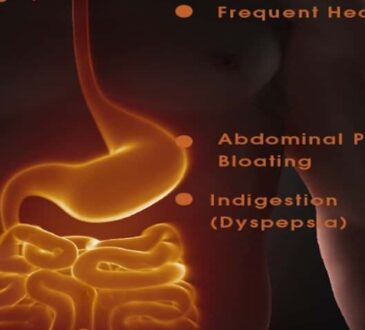
| Anxiety | Digestive discomfort | Progressive muscle relaxation |
| Positive mood | Increased energy levels | Regular physical activity |
This foundational understanding creates stability for implementing more advanced personal development strategies. The journey represents an ongoing process rather than a final destination.
Implementing wellness coaching techniques for mind body balance
Effective implementation requires translating knowledge into daily actions that support holistic wellbeing. This practical phase bridges the gap between understanding concepts and achieving tangible results.
Customising Your Coaching Approach
Personalised strategies acknowledge individual differences in lifestyle and preferences. A tailored approach considers unique challenges and goals rather than offering generic solutions.
Guided self-reflection helps increase bodily awareness. Breathwork and relaxation practices calm the nervous system effectively.
Integrating Proven Strategies into Daily Life
Knowing methods proves insufficient without practical application. Sustainable integration requires fitting practices into existing routines.
Gradual habit building creates lasting change more effectively than dramatic overhauls. Consistent application strengthens the mind-body connection progressively.
| Personalisation Aspect | Individual Consideration | Implementation Strategy |
|---|---|---|
| Lifestyle preferences | Work schedule constraints | Short, focused sessions |
| Physical capabilities | Current fitness level | Adapted movement practices |
| Stress patterns | Emotional triggers | Targeted relaxation techniques |
This structured implementation supports incremental improvements that compound over time. The approach addresses common barriers like time constraints through realistic integration.
The Impact of Meditation and Breathwork
Meditation and breathwork represent powerful tools for managing modern life’s pressures. These practices offer accessible methods for cultivating mental clarity and emotional stability.
Embracing Mindful Meditation
Mindful meditation serves as a cornerstone practice for developing presence. By dedicating brief periods each day, individuals can reduce stress and enhance emotional resilience.
Starting with simple guided sessions helps build consistent habits. Platforms like YouTube and meditation apps provide excellent beginner resources.
Regular meditation practice yields significant benefits for cognitive function. Studies demonstrate improved emotional regulation and mental clarity.
Achieving Vitality Expression Through Meditation
Consistent meditation enables individuals to access their innate Vitality Expression. This manifests as increased energy and mental sharpness throughout daily activities.
The practice helps people express their full potential more freely. Many notice immediate calmness after single sessions.
| Practice Type | Primary Benefit | Recommended Duration |
|---|---|---|
| Mindfulness Meditation | Stress reduction | 10-15 minutes daily |
| Box Breathing | Anxiety management | 5-minute sessions |
| Diaphragmatic Breathing | Energy boost | 3-5 minutes as needed |
Breathing techniques complement meditation by influencing both mental and physical states. Structured exercises like box breathing promote relaxation effectively.
These methods activate the parasympathetic nervous system, reducing stress hormones. The combination of meditation and breathwork creates lasting benefits for overall wellbeing.
Incorporating Nutritious Diet and Exercise Regimens
Nutrition and movement form the bedrock of sustainable personal health strategies. These elements work synergistically to support both mental and physical states through practical daily actions.
Adopting a Nourishing Diet for Enhanced Wellbeing
A balanced diet sustains energy levels and supports optimal brain function. Emphasising whole foods and proper hydration strengthens the mind-body connection significantly.
Nutrient-rich meals containing omega-3s, vitamins and minerals enhance cognitive performance. Understanding the gut-brain relationship helps individuals appreciate how dietary choices influence emotional resilience.
Adjusting one’s diet to include probiotics, proteins and healthy fats fosters mental acuity. This approach creates a solid physiological foundation for psychological wellbeing.
Enhancing Vitality with Exercise
Regular physical activity releases endorphins that naturally boost mood. Exercise keeps the body fit while improving mental focus and emotional stability.
Activities like yoga and Pilates merge physical movement with mental engagement. This combination fortifies the connection between different aspects of personal health.
Whether choosing high-intensity training or tranquil Tai Chi, consistency matters most. The lasting benefits include better sleep patterns and reduced anxiety symptoms.
Finding enjoyable movement practices ensures long-term adherence. This commitment ultimately contributes to dynamic holistic wellness through increased energy and clarity.
Prioritising Quality Sleep and Rest
Sleep serves as the body’s essential maintenance period for both cognitive and physiological repair. Consistent, high-quality rest directly supports optimal mental and physical functioning throughout waking hours.
Establishing regular sleep patterns creates a foundation for sustainable health. The benefits extend to emotional regulation and daily performance.
Techniques for Uninterrupted, Restful Sleep
Creating an ideal sleep environment significantly improves rest quality. A cool, dark, and quiet bedroom supports the body’s natural circadian rhythms.
Developing a pre-sleep routine signals to the mind that rest time approaches. Reducing screen exposure and engaging in calming activities prepares both body and mind for sleep.
Mindfulness practice before bedtime can ease the transition into restful states. This approach helps manage stress and promotes deeper sleep.
| Sleep Factor | Optimal Condition | Practical Adjustment |
|---|---|---|
| Temperature | 18-20°C | Adjust thermostat or use lighter bedding |
| Light Exposure | Complete darkness | Blackout curtains or sleep mask |
| Noise Level | Quiet environment | White noise machine or earplugs |
| Pre-sleep Routine | 60 minutes of wind-down | Reading, gentle stretching, meditation |
Improving sleep quality creates positive effects on mood, energy, and cognitive function. These changes support overall resilience and daily performance.
Setting Goals for Personal Growth and Mindfulness
Establishing purposeful objectives creates a roadmap for meaningful life changes. This process transforms abstract aspirations into concrete actions that support holistic development.
Establishing Clear, Measurable Objectives
The SMART framework provides an effective approach to goal-setting. Specific, measurable, achievable, relevant, and time-bound targets create clarity and direction.
Starting with small milestones builds confidence and momentum. These initial successes encourage continued commitment to the personal growth journey.
Regular review sessions help maintain focus and adapt to changing circumstances. This flexible mindset ensures goals remain relevant throughout different life stages.
| Goal Category | Example Objective | Measurement Approach | Time Frame |
|---|---|---|---|
| Physical Development | Daily 20-minute walk | Activity tracker records | 4-week programme |
| Mental Clarity | 10-minute meditation practice | Consistency journal | Monthly review |
| Emotional Balance | Weekly reflection session | Progress notes | Ongoing adjustment |
Addressing multiple aspects of life ensures comprehensive development. This integrated method brings attention to all areas requiring improvement.
Viewing challenges as learning opportunities fosters resilience. This perspective transforms obstacles into valuable growth experiences.
Leveraging the Wheel of Life for Life Coaching
Paul J. Meyer’s innovative tool from the 1960s continues to help people achieve balanced living. The Wheel of Life provides a visual framework for assessing satisfaction across different life domains.
Utilising the Wheel to Measure Overall Balance
This instrument divides personal existence into eight to ten essential categories. These typically include career, finances, health, relationships, and personal growth.
Individuals score their satisfaction in each segment from one to ten. The resulting visual snapshot immediately highlights areas needing attention.
This process offers concrete insights for setting meaningful goals. It helps prioritise interventions based on actual needs rather than assumptions.
Tracking Progress with a Vitality Expression Approach
Regular updates to the Wheel create a permanent record of personal transformation. The scoring system demonstrates coaching effectiveness over time.
This approach documents the journey toward greater satisfaction across all life areas. It shows how circumstances and priorities evolve with personal development.
The Wheel serves multiple purposes in the coaching relationship. It builds trust, performs check-ins, and reviews whether goals enhance overall life satisfaction.
Strategies to Overcome Daily Life Challenges
Contemporary existence creates constant demands that challenge personal resilience across multiple domains. Practical approaches help individuals navigate these obstacles while maintaining psychological and physical alignment.
Managing Stress Through Mindful Techniques
Chronic stress significantly weakens the mind-body connection. This disruption manifests as fatigue, digestive issues, and sleep disturbances.
Effective management begins with identifying personal triggers. Replacing negative patterns with healthier responses creates sustainable change.
Regular pauses throughout the day develop conscious awareness. Asking “How does my body feel right now?” helps recognise stress accumulation early.
Naming emotions reduces their physical impact. Research shows emotional acknowledgement decreases physiological stress responses.
Moving with intention strengthens awareness during daily routines. Mindful walking while noticing each step provides accessible stress relief.
Restoring Vitality for a Resilient Mind and Body
Specific exercises rebuild energy and strengthen resilience. Deep breathing practices calm the nervous system effectively.
Body scan meditation enhances the connection between mental and physical states. These practices rewire the brain to handle stress more efficiently.
Studies demonstrate measurable benefits including reduced inflammation and improved immunity. Consistent application leads to better mood regulation and enhanced cognitive function.
Gratitude journalling complements physical practices by shifting thought patterns. This integrated approach supports comprehensive health improvements.
Conclusion
Every person’s journey toward a harmonious existence is uniquely their own, yet shares common aspirations. We all deserve equilibrium in our lives—time for relationships, motivation for learning, and energy for passions. When circumstances disrupt this stability, structured support helps rebuild the bridge between present reality and future aspirations.
Setting personal goals aligned with hopes creates meaningful direction. The various strategies discussed—from mindfulness to movement—offer practical ways to strengthen the mind-body connection. Their consistent practice yields measurable benefits for both mental and physical health.
This approach represents an ongoing process of growth rather than a final destination. Regular progress reviews serve as valuable health checks for overall wellbeing. Starting today with small, manageable exercises builds momentum effectively.
Readers now possess practical tools to navigate life’s fluctuations with resilience. Lasting satisfaction comes from maintaining this supportive mindset through life’s inevitable changes. The true benefit emerges through committed application of these principles.
FAQ
What is the mind-body connection?
The mind-body connection describes how our thoughts, feelings, and attitudes can positively or negatively affect our physical health. Conversely, our physical state can influence our mental well-being. Strengthening this link is a core aim of achieving overall balance.
How can someone start practising mindfulness?
Beginning a mindfulness practice can be simple. One might start by dedicating a few minutes each day to focus on their breathing or by paying full attention to routine activities, like drinking a cup of tea. This helps anchor attention in the present moment, reducing anxiety.
Why is setting goals important in this process?
Establishing clear, measurable objectives provides direction and motivation. It transforms the abstract desire for better health into a tangible journey with achievable steps, fostering a sense of accomplishment and supporting sustained personal growth.
Can diet and exercise really impact mental state?
Absolutely. A nutritious diet fuels the brain and body, directly affecting energy levels and cognitive function. Regular physical activity releases endorphins, which are natural mood lifters. Together, they form a powerful foundation for both physical health and mental resilience.
What role does sleep play in mind-body balance?
Quality sleep is essential for restoration. It allows the body to repair itself and the mind to process emotions and consolidate memories. Poor sleep can exacerbate stress and hinder the ability to manage daily challenges effectively.
What is the ‘Wheel of Life’ used for in life coaching?
The Wheel of Life is a visual tool that helps individuals assess their satisfaction across different life areas, such as health, work, and relationships. It provides a clear snapshot of overall balance and highlights specific areas for focused attention and growth.
How can one manage stress more effectively?
Effective stress management often involves a combination of techniques. These can include mindful breathing exercises to calm the nervous system, regular physical activity to release tension, and reframing negative thought patterns to cultivate a more resilient mindset.