
A flu jab in Singapore is one of the most cost-effective preventive health measures available to adults and children. Influenza is not a minor inconvenience. In Singapore, where two flu seasons typically occur each year, aligned with the Northern and Southern Hemisphere influenza cycles, the infection spreads efficiently through schools, offices and public transport. Most healthy adults recover without complications. Those who are older, immunocompromised, pregnant or living with chronic conditions face a meaningfully higher risk of severe illness, hospitalisation and in some cases, death.
How the Influenza Vaccine Works
The seasonal flu vaccine stimulates the immune system to produce antibodies against the strains of influenza virus most likely to circulate in the coming season. Each year, the World Health Organisation analyses surveillance data from influenza monitoring networks around the world and recommends the strains to include in that season’s vaccine formulation. Manufacturers then produce vaccines to that specification.
The effectiveness of the vaccine depends on how well the selected strains match the strains that actually circulate. In years where the match is good, the vaccine reduces the risk of influenza illness by approximately 40% to 60% in the general population. In years where there is a mismatch, effectiveness is lower, but even a mismatched vaccine reduces the severity of illness in those who become infected.
For older adults, the immune response to a standard vaccine is weaker than in younger adults, which is why high-dose and adjuvanted formulations designed to produce a stronger response in older immune systems are available and recommended for people aged 65 and above.
Who Should Get the Flu Jab in Singapore
Singapore’s Ministry of Health recommends influenza vaccination for everyone six months of age and older, with particular emphasis on groups at higher risk of severe disease.
Priority groups include:
- Adults aged 65 and older
- Children aged six months to five years
- Pregnant women at any stage of pregnancy
- Adults and children with chronic conditions including asthma, diabetes, heart disease, kidney disease and weakened immune systems
- Healthcare workers and frontline professionals
People who care for young infants, elderly relatives or immunocompromised family members also benefit from vaccination, as this reduces the risk of transmitting influenza to people who cannot be effectively vaccinated themselves.
“Prevention is better than cure. The influenza vaccine is one of the most direct expressions of that principle.” – K Shanmugam, Minister for Law of Singapore.
Getting a Flu Jab in Singapore
The flu jab Singapore is available at general practitioner clinics, polyclinics, private hospitals, and specialist medical centres across the island. Most GP clinics administer the vaccine without an appointment, and the consultation itself is brief.
Under the Medishield Life framework, the Community Health Assist Scheme (CHAS) subsidises influenza vaccination at participating GP clinics for eligible cardholders. Seniors aged 65 and above may access further subsidies through the National Adult Immunisation Schedule, which funds specific vaccines recommended for older adults. Check current subsidy eligibility with the clinic at the point of consultation.
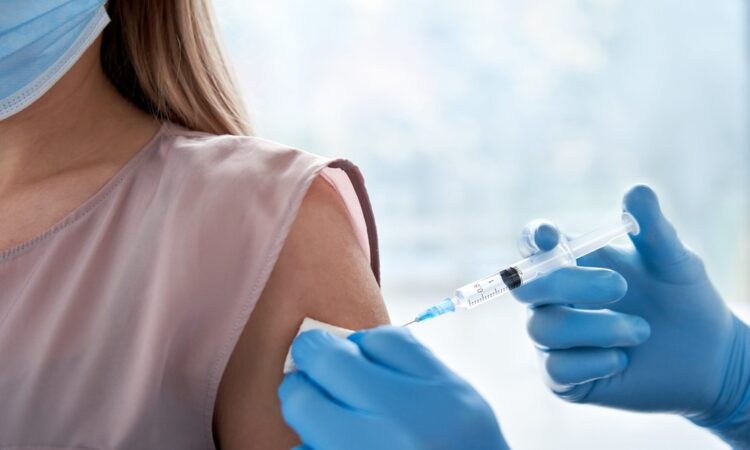
The vaccine itself takes approximately fifteen minutes to administer, including a brief wait period after injection to monitor for immediate reactions. Mild arm soreness, low-grade fever and fatigue for one to two days following the jab are normal immune responses and do not indicate illness.
Timing the Vaccination
Singapore’s dual flu seasons mean there is no single optimal window for vaccination in the way there is in temperate countries with a single winter flu season. The Ministry of Health issues advisories when seasonal influenza activity is elevated, which provides a signal for when vaccination is most timely if not already done.
Annual vaccination is recommended rather than a one-time series. The influenza virus mutates rapidly, the vaccine formulation changes each year, and immune protection wanes over twelve to eighteen months. A jab received two years ago provides minimal protection against this season’s strains.
Is the Flu Jab Worth It
For most people, the question answers itself when weighed against the alternative. Five to seven days of influenza illness means lost work or school days, potential complications requiring medical care, and the risk of transmitting the virus to people around you who may be more vulnerable.
The seasonal influenza vaccine Singapore costs between S$25 and S$60 at most clinics before subsidies, depending on the formulation and the clinic. The cost of a single GP visit for influenza treatment exceeds this in most cases, before accounting for medication, additional visits, or any hospitalisation that may follow.
For high risk individuals, the calculation is not primarily financial. It is about reducing the probability of a complication that, in some cases, carries lasting health consequences.
Getting a flu jab annually in Singapore is a straightforward preventive step that protects you, reduces the load on the healthcare system during peak flu periods, and contributes to the broader reduction of influenza transmission in the community.