
The question of whether to seek gentle chiropractic treatment for infants and kids places modern parents in a peculiar position, caught between traditional assumptions about childhood development and emerging therapeutic approaches that challenge conventional wisdom about paediatric healthcare. To understand this dilemma, one must first examine how human societies across time and geography have addressed infant discomfort and childhood musculoskeletal problems, recognising that what we consider “normal” infant crying or childhood pain may actually represent treatable conditions that previous generations simply endured without alternatives.
The Evolutionary Context of Infant Distress
Human infants are born remarkably underdeveloped compared to other mammals, a consequence of our species’ evolutionary trade-off between large brains and the biomechanical constraints of bipedal pelvic structure. This premature birth, from a developmental standpoint, means human babies experience physical stresses during delivery that can create musculoskeletal tension. The journey through the birth canal subjects an infant’s head and neck to significant compression forces. In traditional societies, midwives often employed manual techniques to address birth-related tension, though these practices varied enormously across cultures and were rarely documented systematically.
Modern obstetric interventions, whilst dramatically reducing mortality, sometimes introduce additional physical stresses. Vacuum extraction, forceps delivery, and even positioning during caesarean sections can create cervical and cranial strains that manifest as feeding difficulties, excessive crying, or positional preferences. These are not mysterious afflictions but logical consequences of mechanical forces applied to developing structures.
Understanding Paediatric Technique Differences
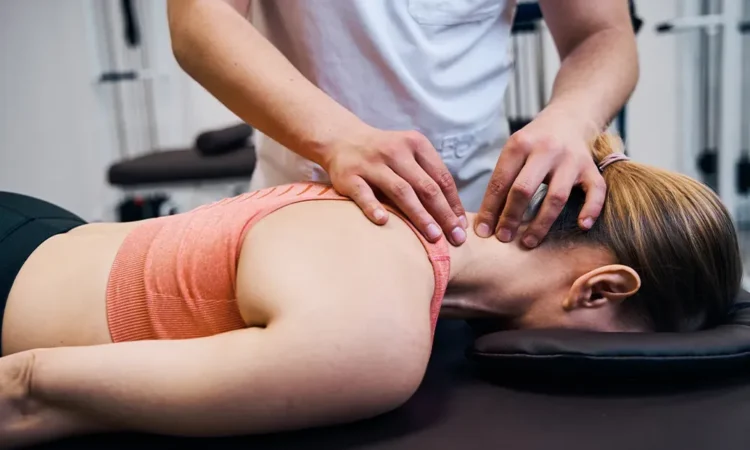
The techniques used in gentle chiropractic care for infants and children bear little resemblance to adult chiropractic adjustments. This distinction proves crucial for parents evaluating whether such treatment is appropriate for their child. The pressure applied to an infant’s spine measures in grammes rather than kilogrammes. Practitioners describe the force as comparable to what one would use to test the ripeness of a tomato or to gently press on a closed eyelid.
Dr Sarah Chen, who completed specialised paediatric training in Australia before practising in Singapore, explains the approach: “We are not performing dramatic manipulations on tiny bodies. We apply sustained, gentle pressure to areas of restriction, allowing the infant’s own physiology to restore proper movement and reduce tension. The baby often falls asleep during treatment, which tells you something about the comfort level.”
Treatment approaches vary by developmental stage:
Newborns (0-3 months)
Craniosacral techniques, minimal contact pressure
Infants (3-12 months)
Gentle mobilisation, positional release
Toddlers (1-3 years)
Play-based treatment, distraction techniques
Young children (4-7 years)
Modified adjustments, active participation
Older children (8-12 years)
Techniques approaching adult methods with reduced force
The Evidence Base and Its Limitations
Evaluating the scientific evidence for paediatric chiropractic treatment requires acknowledging both what research demonstrates and where significant gaps remain. Studies on infant colic treatment show response rates between 60 and 70 percent, though methodological limitations in many studies make definitive conclusions difficult. Research on torticollis treatment demonstrates stronger evidence, with success rates exceeding 85 percent when intervention begins early.
The challenge lies in conducting rigorous paediatric research. Ethical considerations limit the types of studies possible with infant subjects. Placebo effects prove difficult to control when assessing subjective outcomes like crying reduction. Sample sizes remain small in most studies. Yet the absence of perfect evidence does not equal absence of benefit, particularly for conditions where conventional medicine offers limited alternatives.
Conditions That May Respond to Treatment
Parents typically seek chiropractic treatment for young children for specific, identifiable problems rather than general wellness. Common presenting complaints include:
- Colic and excessive crying beyond normal parameters
- Difficulty latching or feeding asymmetrically
- Torticollis (head tilting to one side)
- Plagiocephaly (flat head syndrome)
- Sleep disturbances potentially related to discomfort
- Restricted neck or spinal movement
- Growing pains in older children
- Sports-related injuries in active youngsters
Safety Considerations Parents Cannot Ignore
The safety profile for infant and child chiropractic services appears favourable when treatment is provided by properly trained practitioners, but “appears favourable” requires qualification. Serious adverse events are rare, occurring at rates of approximately one per one million paediatric visits according to comprehensive reviews. Minor adverse events, such as temporary fussiness or increased crying, occur in 10 to 15 percent of cases and typically resolve within 24 hours.
However, these statistics reflect outcomes from registered, trained practitioners. Parents must verify:
- Specific certification in paediatric chiropractic care
- Thorough pre-treatment health screening
- Clear contraindication protocols
- Communication with paediatricians
- Immediate referral capabilities for serious conditions
Dr James Tan, a paediatrician in Singapore who occasionally refers patients, emphasises: “I only send families to chiropractors I know personally, who understand their scope of practice, who screen appropriately for conditions that require medical intervention. The qualification and judgement of the individual practitioner matters enormously.”
The Cross-Cultural Perspective
Examining how different societies address infant discomfort reveals fascinating variations. Traditional Chinese medicine employs infant massage techniques called tui na, Indian Ayurvedic traditions include specific touch therapies for babies. Many indigenous cultures worldwide developed manual techniques for addressing birth-related tension, suggesting humans have long recognised that physical manipulation might benefit distressed infants.
Modern gentle chiropractic treatment for infants and kids represents a contemporary iteration of this ancient impulse to address infant discomfort through skilled touch, now filtered through anatomical knowledge, evidence-based practice standards, and regulatory frameworks that previous generations lacked, offering parents a structured approach to conditions that might otherwise go untreated or be managed solely through time and patience.