

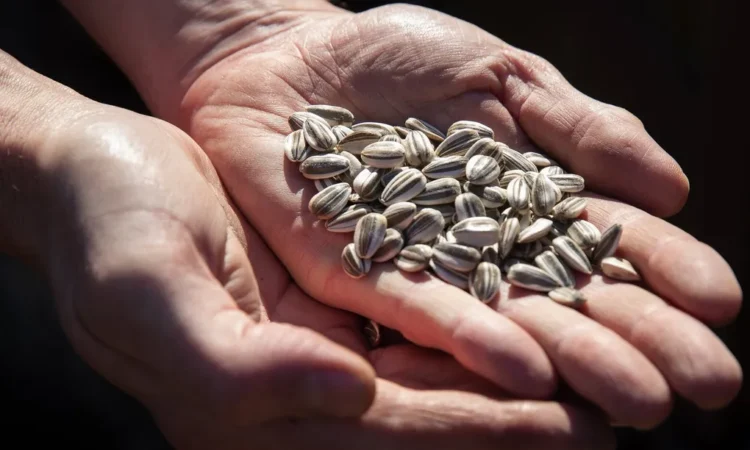
Gardening has changed a lot in recent years. What once required visits to local nurseries and seasonal markets can now be done from your laptop or phone. For home gardeners, farmers, and hobbyists alike, the ability to buy seeds online has opened up more choice, better planning, and access to varieties that were once hard to find.
That said, buying seeds on the internet isn’t just about clicking “add to cart.” To get good results, you need to understand what to look for, where to buy, and how to avoid common mistakes.
Why More Gardeners Are Buying Seeds Online
One of the biggest advantages of online seed stores is variety. Local shops usually stock what sells fast, but online sellers often carry hundredsor thousandsof seed options. This includes heirloom vegetables, rare flowers, organic seeds, and region-specific crops.
Another benefit is convenience. You can compare prices, read descriptions, and check reviews without rushing. For people who garden seriously, this makes planning much easier, especially before the growing season begins.
Online stores also tend to provide more detailed information, such as germination rates, planting depth, climate suitability, and harvesting timedetails that are often missing on physical seed packets.
How to Choose a Reliable Online Seed Store
Not all seed sellers are equal, and this is where many beginners go wrong. A trustworthy store should clearly list:
- Seed source and variety
- Germination percentage
- Packing or harvest date
- Storage and planting instructions
Look for sellers who specialize in seeds rather than general marketplaces that resell random products. Reviews matter, but don’t just look at star ratingsread comments to see if customers mention successful germination and healthy plants.
Transparency is key. If a website hides basic details or uses vague descriptions, that’s a red flag.
Understanding Seed Types Before You Order
Before placing an order, it’s important to know what kind of seeds you’re buying.
Hybrid seeds are bred for uniform growth and higher yields but may not produce the same results if you save seeds for the next season.
Heirloom seeds are open-pollinated and passed down over generations. They’re ideal if you want to save seeds and preserve traditional varieties.
Organic seeds are grown without synthetic chemicals, which matters if you’re focused on natural or sustainable gardening.
Knowing this upfront helps you match the seeds to your goals instead of buying blindly.
Common Mistakes to Avoid When Buying Seeds Online
A big mistake is buying too many seeds without a plan. Seeds don’t last forever, and poor storage can ruin them before you ever plant them.
Another issue is ignoring climate compatibility. Just because a plant looks great in photos doesn’t mean it will thrive in your region. Always check whether the seed variety suits your temperature, rainfall, and soil type.
Finally, don’t chase the cheapest option. Low prices often come with low germination rates, which costs more in the long run.
Making the Most of Your Online Seed Purchase
Once your seeds arrive, store them properlycool, dry, and away from sunlight. Label them clearly so you don’t forget planting dates or varieties.
Start small if you’re new. Test a few varieties first, learn what grows well in your conditions, and expand gradually. Online seed buying works best when combined with patience and observation.
Final Thoughts
Choosing to buy seeds online gives you access to better options, better information, and better control over your garden. But success depends on informed decisions, not automation or impulse buying. Treat seeds as an investment, not a commodity, and you’ll see the difference in your harvest.