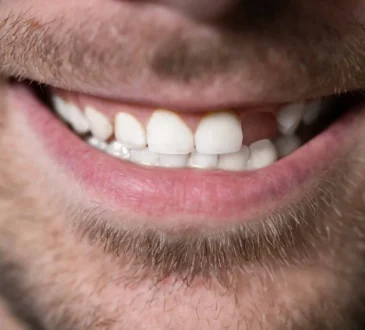

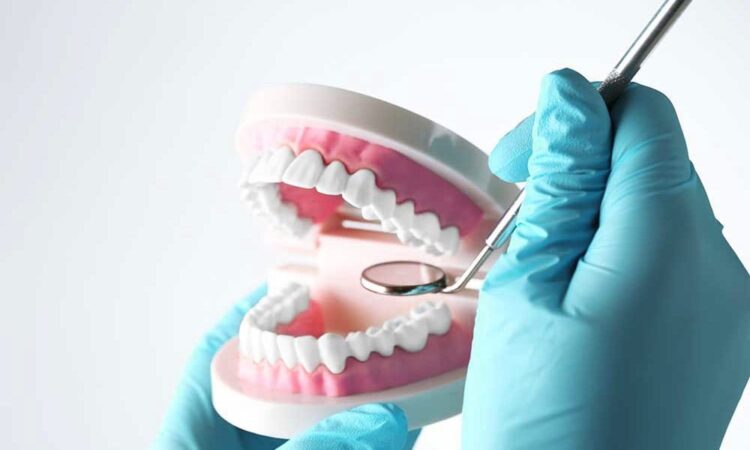
Orthodontics is a specialised branch of dentistry focused on aligning teeth and correcting jaw irregularities. Misalignment not only affects the appearance of your smile but can also impact oral health, causing problems such as difficulty chewing, speech issues, and a high risk of tooth decay. Understanding the range of available orthodontics treatments can help you choose the most suitable option for your needs.
What Causes Misaligned Teeth?
Teeth misalignment can occur due to several different causes. Genetics plays a vital role, meaning if your parents had alignment issues, you might experience them too. Other causes include thumb sucking during childhood, premature loss of baby teeth, or injuries that affect the jaw. In some cases, overcrowding occurs when there isn’t enough space in the mouth for all the teeth to grow properly.
Identifying the cause is important because it helps orthodontists to design a treatment plan that addresses the root of the problem, not just the visible symptoms.
Traditional Braces
One of the most common and effective treatments for misaligned teeth is traditional metal braces. These consist of brackets attached to the teeth and connected by wires that gradually move the teeth into the correct position. Braces are suitable for both simple and complex cases, making them a reliable option for many patients.
Although they are visible, modern braces are smaller and more comfortable than before. Regular adjustments are required, and treatment time can vary depending on the severity of the misalignment.
Clear Aligners
Clear aligners are now widely used as an alternative option to conventional braces. These are transparent, removable trays that fit over the teeth and gradually shift them into place. They are especially appealing to adults and teenagers who prefer a more discreet option.
Aligners can be removed while eating or brushing, which makes maintaining oral hygiene easier. However, they must be worn for most of the day to be effective, and they may not be suitable for severe orthodontic issues.
Retainers and Post-Treatment Care
After completing orthodontic treatment, retainers are used to maintain the new position of the teeth. Without retainers, teeth can slowly shift back to their original alignment. Retainers can be either fixed or removable, depending on the patient’s needs.
Proper post-treatment care is essential for long-lasting results. This includes regular dental check-ups, good oral hygiene, and following the orthodontist’s instructions carefully.
Other Specialised Treatments
In some cases, additional treatments may be required. These can include palatal expanders to widen the upper jaw or corrective jaw surgery for severe alignment issues. Such treatments are recommended when standard methods are not sufficient to achieve the desired results.
Conclusion
Orthodontic treatments have upgraded significantly, offering a variety of options to suit different needs and lifestyles. Whether it’s traditional braces, clear aligners, or specialised procedures, each method aims to improve both the function and appearance of your teeth. By understanding these common treatments, you can make informed decisions and take the first step toward a healthier, more confident smile.