Transforming Senior Wellness Through Music and Movement: A Business Opportunity That Changes Lives

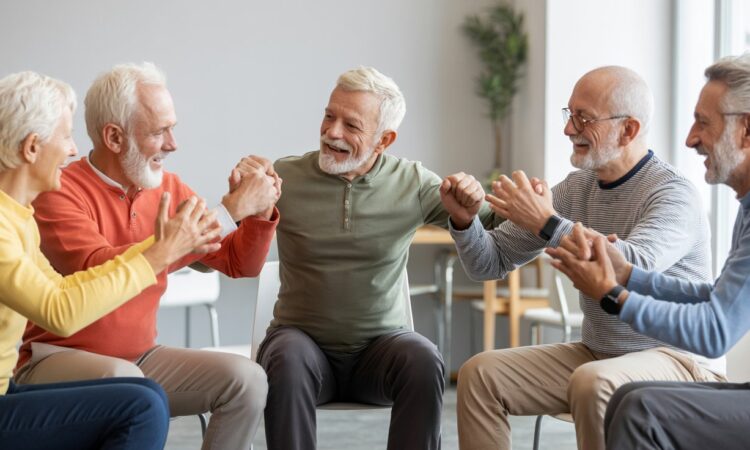
The senior living industry faces a persistent challenge: how to create engaging, inclusive wellness programs that serve residents across a wide spectrum of physical and cognitive abilities. Traditional exercise classes often leave behind those with mobility limitations or cognitive decline, while activities that accommodate these challenges frequently lack the energy and engagement that active seniors crave. This gap has created a significant opportunity for innovative wellness programming that truly serves everyone.
Enter rhythm-based senior wellness programs that combine gentle movement with percussion instruments—an approach that’s transforming how senior communities deliver fitness and enrichment activities. These programs represent not just a new exercise methodology, but a complete reimagining of what wellness programming can accomplish in senior living environments.
The Power of Rhythm and Movement Combined
The concept is elegantly simple yet remarkably effective. Participants engage with five different percussion instruments—rhythm sticks, hand bells, egg shakers, scarves, and castanets—while performing chair-based or low-impact standing exercises. The rhythmic patterns and flowing motions create a multisensory experience that stimulates both body and brain, improving coordination, mood, and mental clarity simultaneously.
What makes this approach particularly valuable is its adaptability. Whether a resident is seated due to mobility challenges or standing and moving freely, they can fully participate in the same class. The percussion instruments provide an equalizing element—everyone can shake a maraca or ring a bell, regardless of their physical limitations. This inclusive design means that memory care residents, rehabilitation patients, and active independent living residents can all benefit from the same program.
The wellness benefits extend far beyond simple exercise. The rhythmic patterns help focus the mind, creating a meditative quality that reduces stress and anxiety. The social aspect of group participation combats the isolation that many seniors experience. The musical element stimulates memory and cognitive function, which is particularly valuable for those experiencing cognitive decline. And the physical movement, while gentle, promotes circulation, flexibility, and coordination.
The Certification and Training Opportunity
For entrepreneurs and wellness professionals, rhythm-based senior wellness certification programs present a compelling business opportunity. These programs are specifically designed for individuals who may have no professional background in music or dance but possess a passion for helping others and an appreciation for music and movement.
The training typically covers everything an instructor needs to know: how to lead safe and effective chair exercises, how to incorporate percussion instruments into movement patterns, how to adapt activities for different ability levels, and how to create an engaging and joyful atmosphere. The certification process transforms individuals with diverse backgrounds—from former teachers and nurses to retirees seeking meaningful work—into qualified wellness instructors.
What distinguishes certified instructors is their preparation to work with the unique needs of senior populations. They learn to recognize physical limitations, understand cognitive challenges, and create an environment where every participant feels successful and valued. This specialized training is what makes the programs effective in senior living settings, where staff must balance safety with engagement.
Implementing Programs in Senior Living Facilities
For senior living and memory care facilities, implementing a certified rhythm-based wellness program offers multiple advantages. First, it provides a solution to the programming gap mentioned earlier—one activity that genuinely works for residents across the ability spectrum. This means communities can offer fewer fragmented programs while actually serving more residents effectively.
The implementation process is straightforward. Communities can either hire certified independent instructors who bring their training and materials to lead regular classes, or they can send existing staff members to become certified, building this capability internally. Many communities choose a combination approach, using independent instructors to establish the program while training select staff members to provide additional sessions or coverage.
Classes typically run 45 to 60 minutes and can be scheduled as frequently as the community desires. Some facilities offer daily sessions, recognizing that regular participation maximizes the physical and cognitive benefits. Others schedule two or three classes per week. The flexibility allows each community to tailor the program to their residents’ preferences and their operational needs.
The space requirements are minimal—any common area with adequate seating works perfectly. The percussion instruments are affordable, durable, and easy to store between sessions. This low overhead makes the program accessible even for smaller communities or those working within tight budget constraints.
The Business Model for Independent Instructors
For certified instructors working as independent contractors, the business model offers appealing flexibility and earning potential. Instructors control their own schedules, deciding which days they work, how many hours, and at which facilities. This makes it an ideal opportunity for those seeking part-time income, those building a portfolio of wellness services, or those simply wanting work that feels meaningful and fulfilling.
The compensation reflects the specialized nature of the training and the value delivered to senior communities. Facilities recognize that quality wellness programming improves resident satisfaction, supports marketing efforts to prospective residents, and contributes to better health outcomes that can reduce healthcare costs.
Many instructors develop relationships with multiple facilities, creating a robust schedule that might include teaching at several different communities throughout the week. This diversification provides income stability while exposing the instructor to different populations and community cultures. Others prefer to work intensively with one or two communities, developing deeper relationships with residents and staff.
The Growing Demand
The senior living industry continues to expand as the population ages, with thousands of communities nationwide seeking innovative programming that differentiates them in an increasingly competitive market. Families touring facilities look for engaging activities that will keep their loved ones active, social, and mentally stimulated. Communities that can demonstrate effective, inclusive wellness programming have a clear advantage.
Simultaneously, the recognition of music and rhythm as therapeutic tools continues to grow. Research increasingly supports what practitioners observe: that rhythmic activity provides unique benefits for cognitive function, motor skills, and emotional wellbeing. This evidence base makes rhythm-based programs easier for communities to justify and for families to appreciate.
The convergence of these trends—growing senior populations, increasing demand for quality programming, and recognition of music-based therapeutic approaches—creates a favorable environment for those entering this field, whether as independent instructors or as community program directors seeking better solutions.
If you’ve been searching for meaningful work that combines creativity, flexibility, and genuine impact, or if you’re a senior living professional seeking programming that truly serves your entire resident population, rhythm-based senior wellness may be exactly what you’re looking for. The transformation happens one class at a time, one rhythm at a time, one smile at a time—and it’s creating opportunities for instructors and improvements for communities across the country.