
In a world that constantly rewards productivity, many people find themselves disconnected from stillness, presence, and inner awareness. Daily responsibilities often demand continuous motion, leaving little space to pause, reflect, or simply be. Yet the absence of stillness does not mean it cannot be reclaimed.
Psilocybin retreats offer an opportunity to step away from constant noise and activity. These retreats are designed to help individuals explore altered states of consciousness in a safe and intentional setting, often leading to emotional release, personal insight, and a deeper sense of authenticity and connection.
As interest grows, both researchers and participants are paying closer attention to psilocybin retreats in Jamaica and these experiences, not only for their emotional depth but also for their potential long-term impact on how people relate to themselves and the world.
What Is a Psilocybin Retreat?
A psilocybin retreat is a guided experience in which participants ingest psilocybin, a naturally occurring psychedelic compound found in certain mushrooms, within a structured and supportive environment. These retreats are carefully designed to prioritize safety, intention, and integration.
Participants typically receive preparation support before arrival, take part in guided psilocybin ceremonies during the retreat, and receive integration guidance afterward. Group connection and shared reflection are often woven throughout the experience.
The purpose of a psilocybin retreat is not to escape reality, but rather to engage with it more consciously, with greater clarity, presence, and emotional honesty.
Why People Choose Psilocybin Retreats
People are drawn to psilocybin retreats for many different reasons. Some seek a mental or emotional reset, while others want to reconnect with themselves after feeling disconnected or overwhelmed. Life transitions, creative blocks, personal challenges, or a desire for deeper self-understanding often motivate participation.
Although each individual’s journey is unique, many arrive with a shared intention: to better understand their own mind and inner patterns. Retreats offer a space to slow down, listen inwardly, and explore perspectives that may be difficult to access in everyday life.
The Science Behind Psilocybin
Over the past two decades, psilocybin has become one of the most extensively researched psychedelic substances. Modern scientific studies have examined its effects on mood, perception, and emotional processing when used in carefully controlled and supported settings.
While retreats do not claim to diagnose or treat medical or psychological conditions, research provides insight into why psilocybin experiences can feel meaningful and transformative.
Enduring Psychological Effects
Clinical research suggests that guided psilocybin experiences can lead to sustained improvements in mood and emotional wellbeing. Participants in controlled studies have reported reductions in anxiety and depressive symptoms that lasted weeks or longer after the experience.
Rather than producing short-lived effects, psilocybin appears to facilitate shifts in perspective that continue to influence emotional patterns beyond the session itself.
A Heightened Sense of Meaning and Connection
Many participants describe psilocybin experiences as deeply meaningful, often ranking them among the most significant experiences of their lives. Reports frequently include a greater sense of connection to others, increased openness, and a renewed appreciation for life.
These experiences can foster a sense of belonging and purpose that extends into daily life long after the retreat has ended.
Increased Brain Flexibility
Neuroscience research shows that psilocybin temporarily alters activity in the brain’s default mode network, a system associated with self-focused thinking, rumination, and rigid mental patterns. At the same time, communication between different brain regions increases.
This temporary reorganization of brain activity is believed to support new insights, emotional breakthroughs, and increased cognitive flexibility. When paired with reflection and integration, these changes can contribute to longer-term shifts in how individuals think and respond.
A Retreat as Part of a Larger Journey
A psilocybin retreat is not a final solution or a standalone cure for complex personal challenges. Instead, it can serve as an important step within a broader process of growth and self-exploration.
The insights gained during the experience often require time, reflection, and ongoing effort to fully integrate. When nurtured through intentional practices, the effects of a retreat can support lasting positive change.
What Happens During a Psilocybin Retreat?
Psilocybin retreats typically unfold across three interconnected phases: preparation, immersion, and integration. Each phase plays a critical role in supporting a safe and meaningful experience.
Preparation
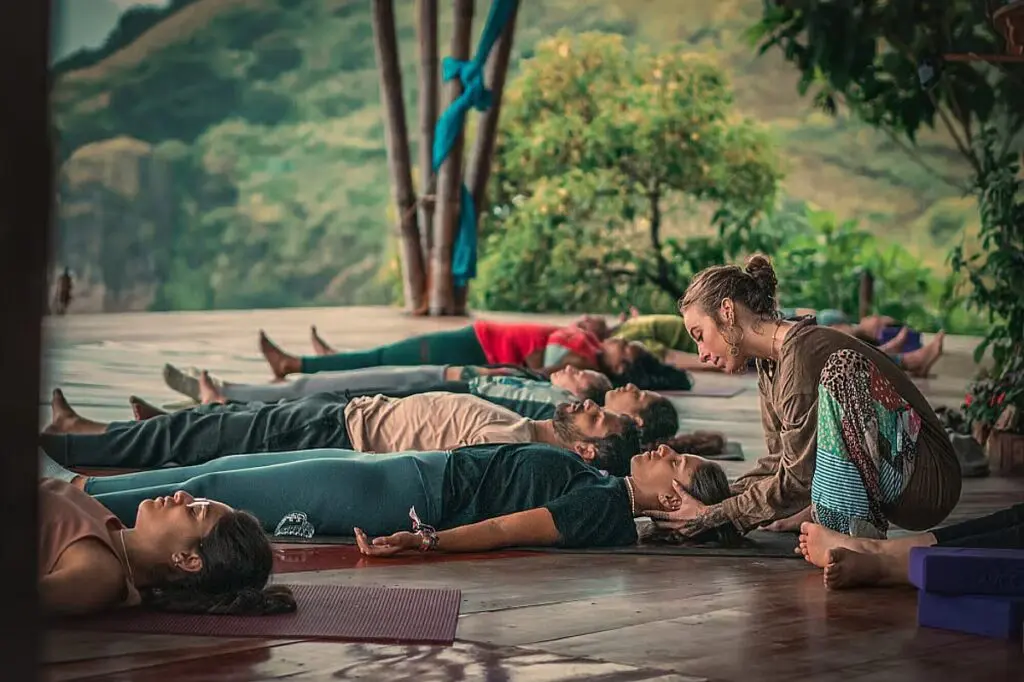
Preparation often begins weeks before the retreat itself. Participants are encouraged to reflect on their intentions and consider what they hope to explore or understand more deeply.
Common preparation practices include journaling, mindfulness exercises, and reflective prompts. Participants may also meet with facilitators ahead of time to build trust, discuss expectations, and learn grounding techniques for navigating altered states of consciousness.
This preparatory phase helps establish emotional safety, clarity, and a sense of readiness.
Immersion
During the retreat, participants take part in one or more guided psilocybin ceremonies supported by trained facilitators. These experiences are often complemented by meditation, breathwork, time in nature, and group connection.
Every aspect of the environment—including music, pacing, and physical setting—is intentionally designed to support deep inner exploration. The goal is to create a container in which participants feel safe enough to fully engage with whatever arises.
Integration
Following the ceremonies, time is dedicated to reflection and meaning-making. Group sharing, contemplative practices, and guided discussions help participants articulate their experiences and begin translating insights into everyday life.
Integration support often continues after participants return home, recognizing that powerful experiences can take weeks or months to fully process. Ongoing guidance can be especially valuable when insights feel complex or emotionally challenging.
Why Set and Setting Matter
Mindset and environment play a crucial role in shaping any psychedelic experience. Feeling safe, supported, and prepared greatly influences how participants navigate altered states of consciousness.
A thoughtfully designed retreat environment, combined with skilled facilitation and community support, helps minimize risk while maximizing the potential for insight and emotional release. Transformation is rarely an isolated process; it is often strengthened through shared experience and human connection.
Beyond Research: Lived Experience
While scientific research provides valuable context, personal stories often convey the depth of these experiences most clearly. Many participants describe a renewed sense of clarity, compassion, and courage following a retreat.
Common reflections include feeling more aligned with personal values, more open emotionally, and more willing to make changes that had previously felt difficult or intimidating. For some, the retreat becomes a meaningful turning point—a moment that reshapes how they understand themselves and their life direction.
The Experience at the Center
At its core, a psilocybin retreat is not defined solely by a substance, but by the experience it facilitates. While psilocybin’s effects on neuroplasticity help explain why new perspectives can emerge, the deeper impact often lies in the felt sense of presence, care, and possibility.
Psilocybin retreats offer a structured opportunity to pause, reflect, and reconnect—opening the door to personal growth and new ways of engaging with life.