
A Home Health Assessment plays a vital role in ensuring individuals receive safe, personalized, and effective care in the comfort of their own homes. As more families choose home-based care for seniors, recovering patients, or individuals with chronic conditions, the importance of a proper home health evaluation continues to grow. This assessment serves as the foundation for building a care plan that supports health, independence, and overall well-being.
What Is a Home Health Assessment?
A home health assessment is a comprehensive evaluation conducted by a healthcare professional to understand a patient’s physical, mental, and emotional condition. It also reviews the home environment to ensure it is safe and suitable for care. The goal is to identify health risks, mobility challenges, medication needs, and daily living requirements so a customized care plan can be created.
This process helps caregivers and healthcare providers make informed decisions about the type and level of support a person needs.
Why a Home Health Assessment Is Important
A proper home health assessment ensures that care is not based on assumptions but on real, measurable needs. Every individual has different health conditions, routines, and limitations. By performing a detailed evaluation, caregivers can prevent accidents, manage chronic conditions better, and improve quality of life.
It also helps detect early signs of health decline, reducing the risk of hospital readmissions and emergency situations. For families, it offers peace of mind knowing their loved one is receiving appropriate and professional care.
What Is Included in a Home Health Assessment?
A thorough home health assessment typically covers several key areas:
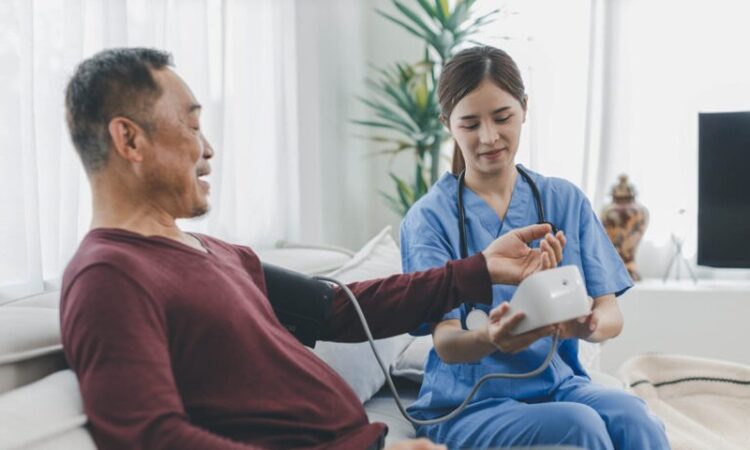
- Physical Health Evaluation: Checks mobility, strength, balance, pain levels, and vital signs.
- Medical History Review: Examines current diagnoses, medications, and past treatments.
- Daily Living Activities: Assesses the person’s ability to bathe, dress, cook, walk, and perform routine tasks.
- Mental and Cognitive Health: Screens for memory issues, confusion, depression, or anxiety.
- Home Safety Inspection: Identifies fall risks, poor lighting, unsafe stairs, or other hazards.
- Support System Review: Evaluates family involvement and caregiver availability.
Who Needs a Home Health Assessment?
A home health assessment is beneficial for seniors, individuals recovering from surgery or illness, people with disabilities, and those managing chronic conditions like diabetes, arthritis, or heart disease. It is also useful when someone is transitioning from hospital care to home care or when families notice changes in behavior, mobility, or overall health.
Benefits of a Professional Home Health Assessment
One of the biggest advantages of a home health assessment is the creation of a personalized care plan. This ensures the patient receives exactly the level of care they need—no more and no less. It also improves safety, promotes independence, and helps manage long-term health conditions more effectively.
Additionally, it helps families plan future care needs and avoid unexpected health emergencies.
Final Thoughts
A Home Health Assessment is more than just a medical check—it is a complete evaluation of a person’s health, lifestyle, and living environment. By identifying risks, needs, and opportunities for improvement, it sets the stage for safer, healthier, and more comfortable living at home. Whether for preventive care or ongoing support, investing in a professional home health assessment is a smart step toward better long-term well-being.