

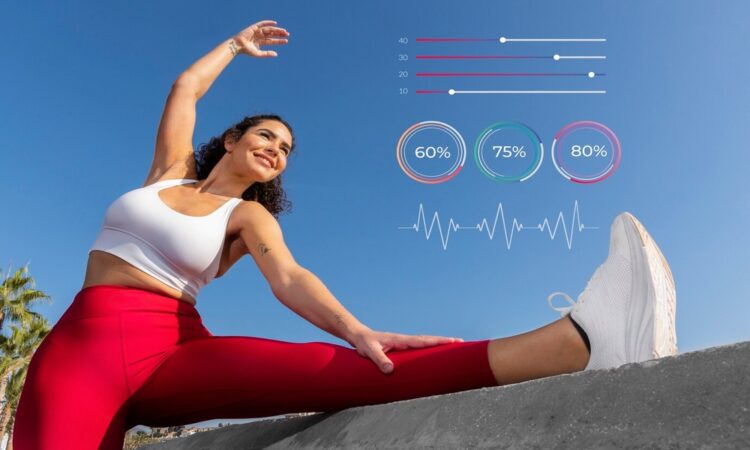
Technology has touched every aspect of our lives today, from the way we communicate, shop, work, or attend to entertainment, etc. It has everything covered. But are we actually going to be healthier because of this tech? And the answer is a definite yes! Wearable fitness trackers and virtual fitness platforms are changing the way we pursue a healthy lifestyle, alongside a multitude of technologies that help us utilize an active, attention-driven, balanced lifestyle with unprecedented ease.
Digital fitness and health have been on the rise.
As more people realize the value of their health, the digital health solutions have rapidly gained spikes. Mobile apps, smartwatches, and online wellness solutions have become indispensable tools for people who want to get fit, cope with chronic illnesses, and stay mobile.
Current statistics show that 10,000 U.S. adults are turning 65 every day, and by the year 2030, there will be more older adults than children under 18. Although we now live longer, we have more chronic diseases. Surprisingly, 80 percent of adults over age 65 have at least one chronic condition, and two-thirds of Medicare beneficiaries have two or more. More than 40 percent of older adults also battle loneliness, increasing the risks for multiple health problems.
This begs the question: how can technology provide the tools to fill this gap and enable better health?
Benefits of Technology and How It Is Making Us Healthy
1. Digital Fitness Platforms – Your Wellness at Your Own Fingertips
Digital fitness platforms such as Balanced could be one of the most disruptive innovations in health tech.
What is balanced?
Balanced is a digital fitness platform for health and well-being across the life cycle. Balanced is founded on the understanding that, unlike traditional gyms or fitness classes, everybody is different-chronic conditions, injuries, pain, physical ability, and more must be taken into consideration.
It builds a custom online wellness ecosystem, motivating movement, mindfulness, and sport- and exercise-related joy. It doesn’t matter if you are coming from an injury, suffering from arthritis, or are just seeking a stimulating method to get some exercise; Balanced is perfect for integrating fitness into your day-to-day life.
This leads perfectly into the message attesting that aging doesn’t mean complacency.
Balanced uses smart technology to enable people to have longer, healthier, and more satisfying lives.
2. Wearable Tech: Tracking and Motivating Movement
It is more convenient than it has ever been to track your level of physical activity thanks to fitness trackers and smartwatches. Wearable devices by companies like Fitbit, Apple, and Garmin monitor steps, heart rate, sleep quality, and even stress levels. These insights allow users to
- Set daily activity goals.
- Aim to track heart health and manage chronic conditions.
- Get reminders to move and get active.
- Enhance sleeping habits and add to wholesome, most especially.
Wearables can be even more helpful for elderly people. Fall detection, emergency SOS features, and heart rate alerts are built right into many modern devices, giving you some peace of mind while encouraging you to move your body on a daily basis.
3. Health on Demand: Telehealth & Virtual Coaching
You could wait weeks for a doctor appointment at the time. Telehealth provides a modern means of interfacing with healthcare providers, making medical help more accessible now than ever. This is especially important for seniors or those who may have difficulties with mobility.
Likewise, virtual coaching provides accessibility to certified trainers, physical therapists, and wellness experts on demand. For example, Balanced is a platform that offers personalized workouts based on your health needs, fitness levels, and more! From yoga for arthritis to strength training for bone health, these online solutions provide home access to expert-led workouts.
4. Smart Home Fitness: Bringing the Gym to You
Fitness is not tied only to workout spaces; with the appearance of smart home gyms, devices like
Peloton-Interactive Cycling and Strength Training Workouts
Mirror-one stylish digital mirror that features live and on-demand fitness classes
Tonal-An AI-coaching-enabled smart resistance training system
This…has made workouts-at-home more interesting and useful. Such technologies remove impediments created by physical distance, mobility limitations, and the discomfort of exercising in front of a crowd at a gym.
5. AI & Personalized Health Insights
AI is a major factor in tailored health experiences. Using data from fitness wearables, user input, and health records, AI-based fitness apps recommend workouts individualized to a user.
Take Balanced, for instance, which utilizes AI to provide personalized exercise programs based on a person’s fitness level, chronic illnesses, and objectives. Such personalization guarantees that fitness obtained is done in a manner that is not just effective but also safe and sustainable.
The Importance of Community in Digital Wellness
Technological innovation also caters to mental and emotional well-being, in addition to physical health. Loneliness is an increasing leviathan where older adults are concerned, as social isolation has been demonstrated to be the equivalent of smoking 15 cigarettes per day.
In order to tackle this issue, Balanced creates a digital well-being ecosystem that brings together its community around the goal of helping each other. Members could
- Network with people who share the same ideals.
- Group fitness challenges are a good way to enter the picture.
- Post some of your progress and encouragement.
- Get access to mindfulness and meditation content.
Balanced is more than just a workout app – it is a support ground for fitness and wellness by combining social interaction with fitness and wellness.
What is Next for the Future of Health Tech?
This indicates a bright side to the future of health & wellness as the technology persists to grow. We can expect
- Hyper-Personalized Recommendations From More AI-Driven Health Insights
- Better wearable sensors to sense an early sign of disease
- Healthier living smart home integrations (like AI-assisted nutrition plans and sleep optimization technology)
- Loose translation: Clinical depression treatments in the form of virtual therapy and AI-based mindfulness.
All these advancements will enable anyone to attain their best health even more easily and conveniently.
Final Thoughts
The question, “Can tech actually make you healthier?” means a very straightforward answer – yes, if you do it right. Digital fitness platforms, from Balanced to wearable tech and AI insights and virtual coaching, are lowering the barriers to health and wellness.
Staying active is not difficult (staying active is not intimidating). These tools put you in charge of your health and give you more control – whether you are a man in your 30s or a woman in her 70s.
So why not take this leap of faith towards achieving a better, more harmonious life by utilizing technology?