
For people living with diabetes, looking after the feet is an important part of maintaining everyday mobility and reducing the chance of unnoticed foot problems. Diabetic foot care in Hamilton can include professional monitoring alongside daily self-checks, appropriate footwear, nail and skin care, and guidance on managing areas exposed to repeated pressure. Consistent attention is particularly valuable because diabetes can affect sensation and circulation.
How Diabetes Can Change Foot Sensation
Diabetic neuropathy may reduce the ability to feel pain, heat, pressure, or minor injuries in the feet. As a result, a blister from a new pair of shoes or a small cut may not immediately cause noticeable discomfort.
Changes in circulation can also affect the feet. Reduced blood flow may influence the body’s ability to heal damaged tissue, making early recognition of problems especially important.
For these reasons, someone with diabetes should not rely solely on pain as a warning that something is wrong.
Checking for Cuts, Blisters, and Pressure Areas
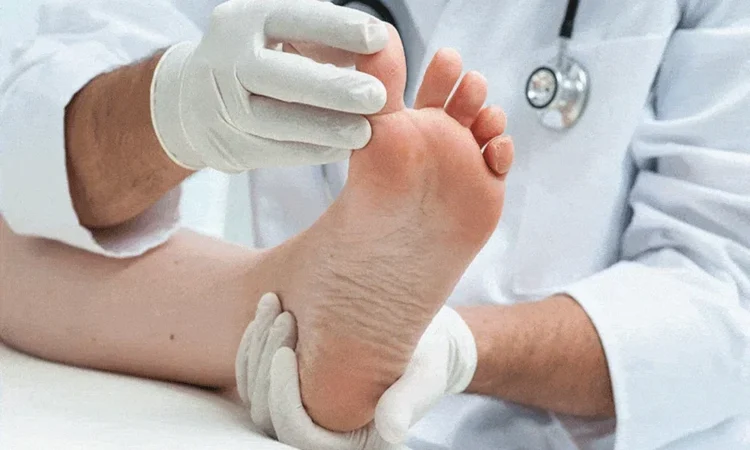
A daily visual inspection can help identify problems before they become more serious. Look for cuts, blisters, cracks, redness, swelling, unusual discoloration, or areas where footwear appears to be rubbing.
The spaces between the toes and the soles should also be checked. A mirror can help when the underside of the feet is difficult to see.
Any unusual change that persists or worsens should be discussed with an appropriate healthcare professional.
Nail and Skin Care
Toenails should be trimmed carefully and should not be cut excessively short or deeply into the corners. An ingrown toenail occurs when the edge of the nail grows into the surrounding skin and may cause tenderness, redness, swelling, or irritation.
People with diabetes should be particularly cautious about attempting to cut out an ingrown portion themselves. Professional assessment can help determine whether conservative care or another treatment approach is appropriate.
Corns and calluses can also develop where repeated pressure or friction occurs. Aggressive attempts to remove them at home may damage the skin, particularly when sensation is reduced.
Choosing Appropriate Footwear
Well-fitting footwear can help reduce unnecessary pressure on vulnerable areas. Shoes should provide adequate room for the toes and should not create persistent rubbing or compression.
Depending on a person’s foot structure and needs, supportive shoes, custom orthotics, or pressure-relieving products may be incorporated into a professional care plan. These options can help redistribute pressure and provide additional support during everyday movement.
For those seeking further information about professional services, DeNova Health’s diabetic foot-care resource provides more detail about available care and support.
The Value of Professional Monitoring
Routine appointments can complement daily foot inspections. A professional can examine the nails, skin, pressure points, and overall condition of the feet while identifying concerns that may not be obvious to the patient.
Regular monitoring can be especially useful for people with reduced sensation, circulation concerns, recurring wounds, or previous foot problems. Care recommendations can also be adjusted as a person’s needs change.
When Prompt Attention Is Necessary
A wound that does not appear to be healing, spreading redness, significant swelling, drainage, increasing warmth, sudden discoloration, or other signs of infection should receive prompt medical attention.
Professional advice should also be sought when a new foot problem appears and the person has difficulty assessing it because of reduced sensation.
Building Consistent Foot-Care Habits
Daily inspections, careful nail and skin care, suitable footwear, pressure management, and regular professional monitoring can work together as part of a practical diabetes foot-care routine. Developing these habits can make it easier to notice changes early and seek appropriate care when needed.