Kasey McKillip Discusses How Diagnostic Imaging Supports Better Medical Decisions

Diagnostic health imaging technology has significantly transformed modern healthcare by improving the way medical professionals diagnose, monitor, and treat diseases. As mentioned by Kasey McKillip, these advanced imaging systems allow physicians to examine the internal structures of the human body without the need for invasive surgical procedures. As a result, healthcare providers are able to identify medical conditions earlier, reduce unnecessary exploratory operations, and improve overall patient outcomes.
Kasey McKillip sheds light on how diagnostic imaging supports better medical decisions
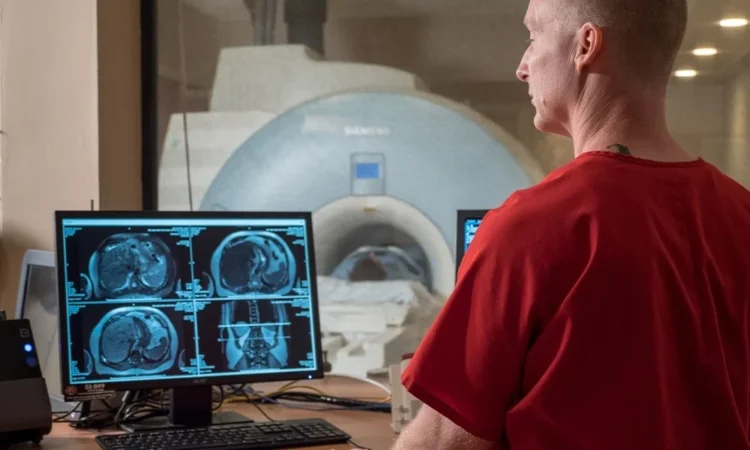
From standard X-ray imaging to highly sophisticated technologies such as Magnetic Resonance Imaging (MRI) and Positron Emission Tomography (PET) scans, medical imaging has become an essential part of modern diagnostic medicine. These tools provide detailed visual information that helps doctors make faster, more accurate diagnoses and develop targeted treatment plans for patients. The introduction of MRI technology during the 1980s especially represented a major breakthrough in diagnostic medicine. Unlike X-rays and CT scans, MRI uses magnetic fields and radio waves instead of ionizing radiation to create detailed images of soft tissues, organs, muscles, and nerves. This innovation greatly improved the ability of physicians to diagnose conditions involving the brain, spinal cord, joints, and internal organs safely and accurately.
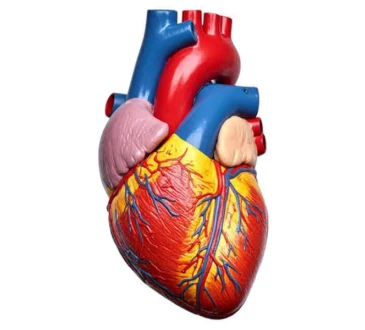
One of the most significant benefits of advanced diagnostic imaging is its ability to detect diseases at much earlier stages than previously possible. Early detection often leads to more successful treatment outcomes because medical conditions can be addressed before they progress into severe or life-threatening stages. Imaging techniques such as echocardiography, which uses ultrasound technology to visualize the heart, and CT coronary angiography allow physicians to examine heart structures and blood vessels without performing invasive procedures. Through these methods, conditions like coronary artery disease can be identified before a patient experiences a heart attack or other serious cardiovascular event. This proactive approach to healthcare helps reduce complications and improves long-term patient survival.
Medical imaging also plays a vital role in monitoring chronic illnesses over time. Many long-term medical conditions require ongoing observation to assess disease progression and treatment effectiveness. Imaging technologies provide healthcare professionals with objective and detailed information that cannot always be obtained through physical examinations or laboratory tests alone. For example, patients with neurological disorders such as multiple sclerosis often undergo regular MRI scans of the brain and spinal cord. These scans help physicians evaluate whether the disease is progressing, identify the formation of new lesions, and determine whether current treatments are effectively controlling disease activity. By continuously monitoring these changes, doctors can make informed decisions about adjusting medications or treatment strategies when necessary.
According to Kasey McKillip, another major advantage of advanced imaging technology is its importance in evaluating treatment effectiveness. Imaging procedures such as CT scans, MRI scans, and PET scans are frequently used to monitor how patients respond to therapies, especially in cancer treatment. Oncologists rely heavily on imaging to determine whether tumors are shrinking, remaining stable, or growing despite treatment. For instance, if imaging results show that a tumor has decreased in size after chemotherapy, it provides strong evidence that the treatment is working successfully. On the other hand, if scans reveal new tumor growth or disease spread, physicians may decide to modify the treatment plan to achieve better outcomes. This ability to assess treatment response accurately helps healthcare providers deliver more effective and personalized care.