
How do they differ?
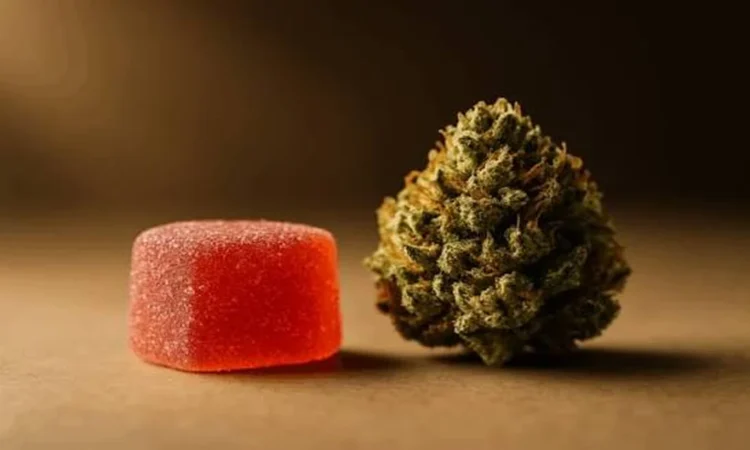
THCP and THCA are separate cannabinoids with almost nothing in common beyond their lettering. THCP is a naturally occurring compound with a longer carbon side chain, and that structural stretch lets it grip brain receptors with unusual force. THC acid is the raw form of THC found in fresh hemp flower before any heat is applied to it. Shoppers researching flowers often wonder does THCA get you high, and the honest answer splits in two.
The molecular shape of raw THCA prevents it from eliciting intoxication. THCA sheds its acid group when heated, revealing regular THC, which everyone recognises. THCP skips that entire process. It comes ready to act, needs no conversion, and works at amounts so small they can be hard to picture. One cannabinoid is a locked door waiting for a key made of heat. The other is already through the door before the session even starts.
Which one hits stronger?
THCP wins on raw strength, and it is not a close contest. Early research points to receptor binding many times beyond standard THC, which explains why users feel pronounced effects from tiny servings. Heated THCA becomes ordinary THC, strong in the familiar way flower has always been, but never surprising. The two ask for completely different measuring habits. Flower sessions with THCA follow instinct built over years of common use. THCP demands deliberate restraint, smaller starting amounts, and patience while its slow wave builds. Duration separates them just as sharply, since THCP sessions regularly outlast the flower by hours. Anyone crossing from one to the other should reset every expectation they carry.
Effects users report
Session character differs enough that each compound has developed its own reputation among regular consumers.
Heated THCA flower delivers the classic arc. Effects rise within minutes, peak with euphoria and body relaxation, then taper cleanly over two or three hours. Social settings, creative afternoons, and quiet evenings all fit inside that window. Raw THCA preparations produce no mental shift at all, which a smaller group of users deliberately seeks out.
THCP behaves differently in nearly every report. Onset moves slowly, sometimes taking an hour in edible form, then effects deepen in stages rather than arriving at once. Weight in the body, extended duration, and lingering calm the next morning appear again and again in user accounts. Blended products soften these edges by pairing trace THCP with gentler cannabinoids, and those mixes suit people who want the depth without the full commitment.
Legality stand
Both compounds trace their legal standing to hemp sourcing rules that measure delta 9 content below the federal ceiling. THCA flower passes compliance testing in raw form since the acid version registers separately from active THC in most frameworks. THCP rides the same hemp classification, though a handful of regions have started naming novel cannabinoids in their own restrictions. Local rules move quickly in this space. A short check of current regulations before any purchase, plus a look at the third-party lab report every reputable seller publishes, keeps buyers on solid ground in either category.
THCP and THCA are designed to meet different needs and reward different behaviours. To enjoy what each has to offer, match the compound to your experience level and evening plans.