
You might be feeling a mix of excitement and worry right now. You finally started orthodontic treatment with compassionate dentists in Rowlett TX, and you are hoping for a straighter, healthier smile. At the same time, eating feels different, brushing takes longer, and you might already be wondering if your teeth are getting clean enough around all that new hardware.end
That tension is very real. Braces and aligners improve your bite, yet they also make daily oral care more demanding, and when you are busy, tired, or in pain after an adjustment, it is easy to cut corners. Because of that, many people finish treatment with straighter teeth but also with new cavities, stains, or gum problems they never expected.
The good news is that you can protect your mouth while straightening your teeth. With a few steady habits, you can keep your gums healthy, avoid decay, and end treatment with a smile that looks and feels strong. You will see how to brush and floss around brackets or trays, what to eat and avoid, and how to work with your general dentist and orthodontist as a team.
Why do braces and aligners make oral care feel so hard?
Before the first wire or aligner went in, you could brush quickly and feel reasonably confident you were doing enough. After treatment starts, everything changes. Food gets trapped more easily. Teeth can feel sore. Simple routines suddenly take more time. You are not imagining it. This really is more work.
With braces, brackets and wires create ledges and corners where plaque sticks. Even the best brusher can miss those spots. With clear aligners, you may think your teeth are protected, yet your aligner trays can trap bacteria and sugary residue against your enamel if you snack or sip with them in. Both systems can raise your risk of white spot lesions, cavities, and inflamed gums if you are not careful.
So where does that leave you? You want straight teeth, yet you do not want to trade one problem for another. That is where a more intentional approach to oral care with orthodontic treatment comes in.
What can go wrong if oral health slips during treatment?
Think through a few common scenarios. They are uncomfortable to imagine, but they help explain why your daily habits matter so much.
Imagine a teenager with braces who drinks sports drinks every day. The liquid flows around the brackets and sits near the gumline. Brushing is rushed, because they are tired at night. After a year, the braces come off and there are white chalky squares around where the brackets used to be. The teeth are straight, but the enamel is permanently scarred.
Or picture an adult with clear aligners who sips coffee most of the morning with trays in. The coffee seeps under the edges and stays in contact with the teeth for hours. The aligners are not cleaned very well. At the next checkup, there are new cavities starting between the teeth, and the trays are stained and smell unpleasant.
These problems are not just cosmetic. Cavities cost time and money to fix. Gum disease can cause bone loss around the teeth and may even slow orthodontic progress. In more advanced cases, untreated inflammation can affect overall health. Because of this, orthodontic care works best when it is paired with strong home care and regular visits to your general dentist.
The solution is not perfection. It is consistency. You do not need to brush for 15 minutes or carry a suitcase of products everywhere you go. You do need a clear plan for how to clean around brackets or aligners, what to watch for, and when to ask for help.
Braces vs aligners for oral health: how do they compare?
To make sense of your daily choices, it helps to see how braces and aligners differ when it comes to cleaning, eating, and risk of plaque build up. Both can support healthy teeth if you care for them correctly. The challenges just look a little different.
| Factor | Traditional Braces | Clear Aligners |
|---|---|---|
| Ease of brushing | Harder. Brackets and wires create many plaque traps. | Easier. Trays are removable, so you can brush normally. |
| Flossing | More time consuming. Often needs floss threaders or special flossers. | Similar to normal flossing once trays are out. |
| Food restrictions | Must avoid sticky, very hard, and chewy foods that can damage brackets. | Fewer restrictions, but must remove trays and clean teeth before putting them back. |
| Risk of trapped plaque | Higher around brackets and under wires if brushing is rushed. | Higher if you eat or drink anything but water with trays in. |
| Cleaning the appliance | Braces are cleaned while on the teeth. | Trays need separate cleaning to prevent odor and staining. |
Seeing these differences can help you understand why your orthodontist and dentist keep emphasizing thorough home care. You are not being nagged. They are trying to protect you from problems that are very common and very preventable.
Here are six practical habits that protect your mouth during treatment. You do not need to start all of them at once. You can build them gradually, and they will become part of your routine.
1. Upgrade your daily brushing routine
With orthodontic treatment, “good enough” brushing before bed is no longer enough. Aim to brush at least two times a day, and three is even better. Focus especially after meals and before you put aligners back in.
Use a soft bristle toothbrush and fluoride toothpaste. Angle the bristles toward the gumline and around brackets, and take your time. Many people find an electric toothbrush helps reach around orthodontic hardware more consistently. The American Dental Association offers helpful guidance on home oral care basics that you can adapt for braces or aligners.
2. Make flossing non negotiable, even when it feels tedious
Flossing with braces can feel like threading a needle over and over. It is tempting to skip. Yet this is exactly where plaque hides and where cavities often start. If standard floss feels impossible, try floss threaders, orthodontic floss with a stiff end, or small interdental brushes that fit under the wire and between teeth.
With aligners, the challenge is more about remembering to floss before putting trays back in. Trapping food and plaque under an aligner for 20 or more hours a day creates the perfect environment for decay. A few extra minutes of flossing can prevent months of dental work later.
3. Respect what you eat and drink during treatment
Food choices matter more when your teeth are covered in hardware or sealed under trays. Sticky candies and chewy snacks cling to brackets and are very hard to remove. Hard foods can break wires or brackets, which can delay treatment and add emergency visits. Frequent sipping of sugary drinks feeds the bacteria that cause cavities.
With braces, cut crunchy foods like apples or carrots into small pieces and chew with your back teeth. Avoid caramel, taffy, and gum. With aligners, remove trays every time you eat or drink anything other than plain water. Then rinse your mouth, or better yet, brush before putting them back in. This small pause protects your enamel more than you might realize.
4. Keep your aligners or appliances as clean as your teeth
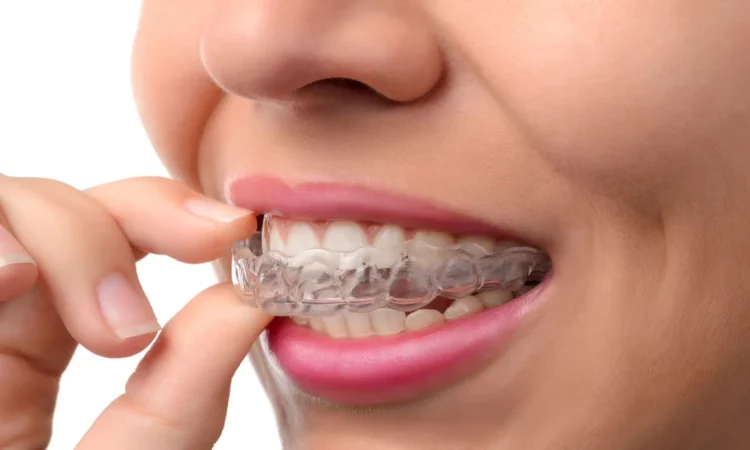
If you wear aligners, remember that the trays themselves touch your teeth almost all day. If they are coated in plaque, you are pressing bacteria right up against your enamel. Rinse trays with cool water when you remove them. Gently brush them with a soft toothbrush and clear, unscented soap or a cleaner recommended by your orthodontist. Avoid hot water, which can warp them.
For braces, consider using a fluoride mouth rinse if your orthodontist or dentist recommends it. This can help reach areas that are difficult to clean and may reduce the risk of white spot lesions. Some patients also use water flossers as a helpful supplement to brushing and flossing, especially around brackets.
5. Protect your gums and watch for early warning signs
Healthy gums are just as important as straight teeth. During treatment, you might notice your gums looking puffy or bleeding when you brush. Many people assume this is normal. It is actually a sign of inflammation caused by plaque that has not been fully removed.
Gums should not bleed regularly. If they do, that is your body asking for more careful cleaning or professional help. A short guide on oral care for orthodontic patients from public health experts explains how plaque and inflammation can build up around brackets and bands if cleaning is not thorough. You can review those insights here: oral care tips for orthodontic patients.
6. Use your general dentist and orthodontist as a united team
Many people think that once braces or aligners are on, the orthodontist will handle everything. In reality, your general dentist and orthodontist share responsibility for your oral health. You still need regular cleanings and checkups with your general dentist, usually every six months, and sometimes more often if you are at higher risk of decay.
Your orthodontist will focus on tooth movement and appliance care. Your general dentist will look for cavities, gum disease, and other issues that can slow or complicate treatment. When you keep both visits up to date, you give yourself the best chance to finish with a smile that is both straight and healthy. That is the real goal of orthodontic and dental care for a healthy smile.
What can you do today to protect your smile during treatment?
You do not need to overhaul your life overnight. A few focused actions can shift your mouth back toward health and keep it there.
Step 1: Choose one brushing or flossing upgrade and commit to it
Pick a single change you can keep up. For example, decide that every night you will spend a full two minutes brushing, using a timer on your phone, and you will clean above and below every bracket or around every attachment. Or choose to floss at least once a day, even if it takes extra time. One consistent upgrade is better than several habits you drop after a week.
Step 2: Set up your “on the go” kit
Life does not pause for orthodontics. Put together a small travel kit with a toothbrush, travel size toothpaste, floss or interdental brushes, and a case for your aligners if you use them. Keep it in your bag, locker, or car. That way, if you eat at work, school, or on the road, you can clean your mouth before food and plaque sit for hours.
Step 3: Schedule or confirm your next dental cleaning
If it has been more than six months since your last cleaning with your general dentist, or if you cannot remember when you were last seen, call and book a visit. Ask the office to coordinate with your orthodontist if needed. Regular professional cleanings remove hardened plaque that brushing and flossing cannot reach, and they give you a chance to ask specific questions about caring for your braces or aligners.
Moving forward with confidence during orthodontic treatment
Orthodontic treatment is a commitment. There will be days when your teeth feel sore, when you are tired of cleaning around brackets, or when you are tempted to leave aligners in while you sip a sugary drink. Those moments are normal. What matters is how you respond over time.
If you stay curious, ask questions, and keep adjusting your routine, you can protect your teeth and gums while they move into better alignment. You do not have to be perfect. You just need to be consistent and willing to reach out to your general dentist and orthodontist when something feels off.
Your future smile is already in progress. By taking care of your oral health during treatment, you are making sure that when the braces come off or the last aligner is done, you are proud of what you see and comfortable with how it feels every time you bite, chew, and smile.