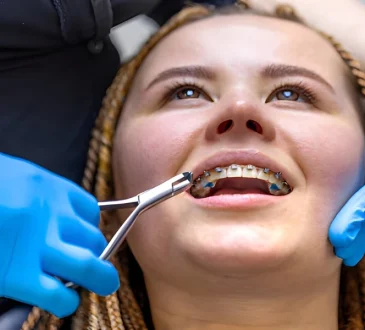


You might be feeling a mix of relief and worry right now. Relief that dental implants exist as an option, and worry because the process sounds complex, expensive, and a little overwhelming. Maybe a tooth has been bothering you for a long time, or you already lost one and every time you smile or chew, you are reminded of it. You might be wondering how you are supposed to fit specialist visits, multiple appointments, and big decisions into an already full life, and whether finding a family dental clinic near Otsego MN could make the process easier.end
It often starts with something small. A broken filling that never quite felt right again. A tooth that cracked during a meal. A long history of dental issues that finally caught up with you. By the time someone says “You might be a candidate for implants,” you are already tired of dental problems and just want one place, one team, and one plan you can trust.
This is where having implant services within a family practice can quietly change the whole experience. Instead of bouncing between offices and retelling your story to new faces, you work with one familiar team that knows your history, your family, and your fears. In simple terms, the benefits come down to less stress, better continuity of care, more realistic costs, and long term support for both your implants and your overall oral health.
So, where does that leave you if you are still unsure whether to stay with a family practice or look for a separate implant clinic? It helps to walk through the real concerns first, then see how a combined family and implant approach can address them.
Why does adding implant care to family dentistry matter so much?
Dental problems rarely exist in isolation. According to the U.S. Surgeon General’s report on oral health, untreated tooth loss and poor oral function can affect nutrition, self confidence, and overall health across a lifetime. You can see this in the Oral Health in America executive summary, which points out how oral health is deeply tied to general well being.
Here is the problem. Traditional implant care often happens in a separate specialist office. That can mean new X rays, new exams, new payment policies, and sometimes, a treatment plan that focuses on the implant itself, but not on you as a whole person. Your family dentist knows your habits, your medical background, the medications you take, and how reliable you have been able to be with past treatment. A separate provider has to guess at some of that.
This gap can become more stressful as the process unfolds. For example, imagine you need an extraction, bone graft, and then an implant. You might see your family dentist for the initial exam. Then a specialist for the extraction. Then someone else for the implant placement. Then your dentist again for the crown. Every handoff is a chance for miscommunication, scheduling delays, or surprise costs.
Because of this tension, you might wonder if there is a way to simplify everything. That is where a practice that offers family and cosmetic and implant dentistry under one roof starts to make sense.
How does a single family practice improve the implant experience?
When implant services are part of a family practice, the experience often feels calmer and more coordinated. Here are five key benefits that many people do not realize until they go through the process.
1. One trusted team for every stage of care
Instead of starting over with a new office, you work with people who already know you. They have your full dental records. They know which anesthetic works best for you, how anxious you tend to be, and what your long term oral health plan looks like.
For example, if you have a history of gum disease, a family practice that manages your routine care can design your implant plan around that reality. Research shows that conditions like periodontitis can affect implant success rates, and ongoing maintenance is essential. A clinical overview from StatPearls explains how proper case selection and follow up care are key to long term implant survival, which you can see in this dental implant review.
2. Better coordination with your overall health
Your mouth is connected to the rest of your body. If you have diabetes, heart disease, or take blood thinners, your dentist should factor that into your implant planning. A family practice usually has years of your health updates and sometimes close communication with your physician.
Instead of you trying to explain your medical situation again and again, your dental team can coordinate care more safely. They can time procedures around your medications, plan healing time realistically, and monitor you closely during routine visits.
3. Clearer financial expectations and phased treatment
Implants are an investment, and the financial side can feel intimidating. In a family setting, your dentist already knows your insurance patterns, your past treatment choices, and your comfort level with payment plans. Because they are planning for your long term care, they are often more open to phasing treatment over time in a way that respects your budget and still protects your health.
Instead of a single high pressure quote in a one time consultation, you can have an ongoing conversation. You might replace the most urgent tooth first, then plan others later. You might compare an implant to a bridge or partial denture and decide what works best for your life, not just for the X ray.
4. Long term maintenance built into routine visits
Implants require ongoing care. They can fail if plaque builds up or if bite forces are not monitored and adjusted. A recent study in PubMed highlights how follow up care and supportive therapy reduce complications and improve survival rates for implants. You can review that research here in this implant outcome study.
In a family practice, your implant checkups are naturally folded into your regular cleanings and exams. The same hygienist who has been seeing you for years can watch for subtle changes in your gums or bite. Problems are caught early, not when something breaks or hurts.
5. Support for your whole family, not just one tooth
Tooth loss rarely affects only one person in isolation. Maybe you are trying to stay strong for your kids, or you are caring for an aging parent who also needs dental work. A family practice can look at the big picture. They can help you prevent your children from ending up in the same situation, or they can coordinate care for your spouse or parent while you are already coming in for your own visits.
This kind of continuity builds trust. Trust makes it easier to say yes to needed treatment and to follow through when the process feels long.
Is a family based implant option really different from a separate specialist?
You might still be weighing your options. One path is to stay with a general dentist and then see a separate implant specialist. The other is to choose a practice that combines dental implant care with everyday family dentistry. Both can work, but they feel different in real life.
| Aspect | Separate Specialist Model | Family Practice With Implant Services |
|---|---|---|
| Number of offices involved | Usually 2 or more offices | One main office for most or all steps |
| Communication | Reports sent back and forth, possible delays | Same team planning and updating in real time |
| Understanding of your history | Specialist knows you briefly and mainly for one procedure | Team knows your long term dental and family story |
| Financial planning | Separate fees and policies, harder to phase treatment | One office coordinating timing, insurance, and payment |
| Long term follow up | May rely on you returning or going back to your dentist | Built into routine cleanings and exams automatically |
| Support for anxious patients | New environment, new team, more unknowns | Familiar setting with people you already trust |
Seeing it side by side, you can start to ask a different question. Not just “Where can I get an implant” but “Where will I feel most supported before, during, and after the process.”
What can you do right now if you are considering implants?
You do not have to have everything figured out today. A few thoughtful steps can bring clarity and calm to the decision.
1. Write down your real concerns and goals
Before you talk to anyone, take ten quiet minutes and make a short list. Include what scares you, what you hope for, and what you absolutely need from treatment. For example:
“I am afraid of pain during surgery.”
“I do not want to feel embarrassed when I smile.”
“I need costs that can be spaced out over time.”
Bringing this list to a family practice that offers implant treatment options helps the dentist shape the conversation around what matters most to you, not just what shows up on an X ray.
2. Ask your family dentist specific questions about implant care
If you already see a family dentist, ask whether they provide implant services in house or work closely with a trusted partner. Some helpful questions are:
- “How many implant cases do you manage each year, and what kinds of cases do you typically handle here?”
- “Will I be seeing the same team for follow up and maintenance after the implant is placed?”
- “How do you help patients manage costs over time?”
- “What do you do differently for patients with my medical history?”
The answers will tell you a lot about their experience, their honesty, and how they see you as a person, not just a procedure.
3. Plan for long term care, not just the surgery date
Implants are designed to last for many years, but they depend on the health of your gums, your bite, and your habits. Work with your dentist to create a long term plan that includes:
- Regular cleanings with specific checks around your implant areas
- Home care instructions that match your lifestyle and abilities
- Checkpoints for adjusting your bite as your mouth changes over time
When this plan is built into a family practice that already sees you every six months, it becomes part of your normal routine instead of a separate chore.
Moving forward with more confidence and less stress
Tooth loss can make you feel older, vulnerable, or even ashamed, and it is easy to think you waited too long or made too many mistakes. You have not. You are here now, considering options and looking for a path that respects both your health and your life.
Choosing a practice that combines family care with dental implant services is not about chasing the latest trend. It is about choosing continuity, trust, and support. It gives you one team that can guide you from the first uneasy conversation to the day you can chew and smile without thinking about that missing tooth at all.
You do not have to decide everything today. Start by talking openly with a family dentist who offers implant care. Bring your questions, your worries, and your goals. From there, step by step, you can build a plan that feels realistic, respectful, and truly yours.