
You might be staring at a toothache and wondering which problem deserves your attention first, the pain in your mouth or the pregnancy that already has your body asking enough of you. That stress is real. A swollen gum, a cracked tooth, or sudden jaw pain can feel harder to handle when you are also trying to protect your baby and avoid anything that sounds risky. If you have also been considering Plainville Invisalign® Clear Aligners, it may feel like one more dental concern to sort through at an already overwhelming time.
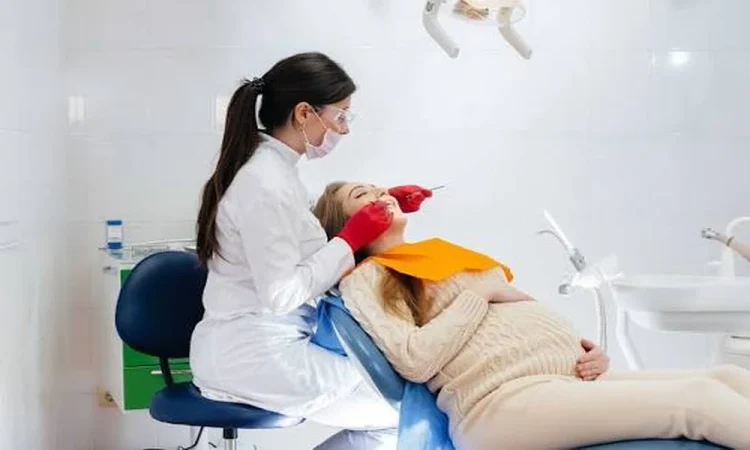
The short answer is simple. Emergency dental care during pregnancy is often safer than delaying treatment. Untreated infection, severe pain, and swelling can create bigger problems than a prompt visit to a dentist. Many urgent dental treatments, including exams, cleanings, fillings, and care for infection, can be done during pregnancy with proper precautions.
Pregnancy does not put emergency dental treatment on hold
A lot of people hear mixed messages when they are pregnant. They get told to avoid X rays, avoid medicine, avoid stress, avoid procedures, and after a while it starts to sound like the safest choice is to do nothing. That is where many dental problems get worse.
If you have bleeding gums, facial swelling, a broken tooth, pus near the gums, fever, or pain that keeps you from eating or sleeping, waiting can raise the risk. Oral infections do not stay neatly contained just because you are pregnant. They can spread, disrupt sleep, affect nutrition, and leave you trying to manage constant pain when your body already feels stretched thin.
According to the HRSA guidance on oral health during pregnancy, routine and urgent dental care are safe and recommended. The CDC also explains in its pregnancy and oral health facts that hormonal changes can increase the risk of gum problems, which means pregnancy itself can make dental issues more likely, not less.
This matters because what starts as “just some gum tenderness” can turn into infection, and what feels like a minor chip can expose a nerve. A general and emergency dentist can sort out what is urgent, what can wait, and what treatment is safest at your stage of pregnancy.
Some symptoms signal a true dental emergency in pregnancy
Not every tooth problem needs same day care, but some do. Severe tooth pain, swelling in the face or gums, a knocked out tooth, uncontrolled bleeding, signs of infection, and trauma to the mouth need prompt attention. If you are having trouble breathing or swallowing, that is more serious and needs immediate medical care.
You may also be dealing with pregnancy vomiting or acid reflux that has made your teeth feel sensitive or weak. That can be easy to brush off because you know where it came from. If the pain lingers, your tooth cracks, or you notice dark spots, call anyway. Pregnancy can change your mouth fast, and early treatment is usually simpler and less expensive.
Pregnancy dental emergency care often includes an exam, local anesthetic, drainage of an abscess, temporary or permanent restoration, or an extraction if the tooth cannot be saved. Dentists can also use shielding and limit imaging when X rays are needed. The goal is not to do more than necessary. It is to stop pain and control infection safely.
Delaying treatment can create more stress, more cost, and more pain
People often postpone care because they are worried about the baby, worried about cost, or worried they will be judged for coming in late. That delay tends to backfire. A small cavity can become a root canal. Gum inflammation can turn into a deeper infection. A broken filling can lead to a fractured tooth that is harder to restore.
There is also the day to day toll. Poor sleep, trouble chewing, nausea made worse by oral pain, and the mental load of wondering if the problem is getting dangerous can wear you down fast. You do not need that extra burden.
If cost is part of the hesitation, look for pregnancy focused public resources in your state. The Texas Smiles for Moms program is one example of information that helps connect pregnant patients with oral health support and guidance.
Common concerns about emergency dental care during pregnancy
| Concern | What patients often fear | What is usually true |
|---|---|---|
| Dental X rays | Any X ray will harm the baby | Dental X rays can be used when needed with proper shielding and clinical judgment |
| Local anesthetic | Numbing medicine is unsafe in pregnancy | Common local anesthetics are often used safely so treatment is tolerable and effective |
| Antibiotics | All antibiotics should be avoided | Some antibiotics are commonly prescribed in pregnancy when infection needs treatment |
| Waiting until after delivery | Delay is always the safest option | Untreated pain and infection can be more harmful than timely dental care |
| Bleeding gums | It is normal, so it does not matter | Pregnancy gum changes are common, but persistent bleeding still deserves evaluation |
Safe dental treatment during pregnancy depends on clear communication
Tell the dental office that you are pregnant, how far along you are, what medicines you take, and whether your pregnancy is high risk. If your OB has given you special instructions, bring them. That helps the dentist choose the right timing, imaging, and medication if you need treatment.
This is also where a general and emergency dentist can make things easier. You do not have to decide on your own whether the issue is serious enough. Call, describe your symptoms, and ask for guidance. A good office will tell you whether you need urgent care, same day treatment, or a scheduled visit soon.
Three steps you can take right now
1. Call as soon as pain, swelling, or infection shows up. Do not wait for the pain to become unbearable. Mention that you are pregnant and describe any swelling, fever, drainage, or trauma.
2. Bring your pregnancy details to the appointment. Share your due date, provider information, medications, allergies, and any high risk concerns. That saves time and helps the dental team plan safe care.
3. Use home care only as a bridge, not a fix. A warm saltwater rinse may soothe irritated gums, and a cold compress may help with swelling. Do not put aspirin on the tooth or gum, and do not assume the pain will pass on its own.
If you need urgent help, trust that getting checked is the responsible move. Pain, swelling, and infection deserve attention, and safe emergency dental treatment during pregnancy is available. You do not have to push through it or guess your way through the risk. Reach out to a local dental office and get clear answers today.