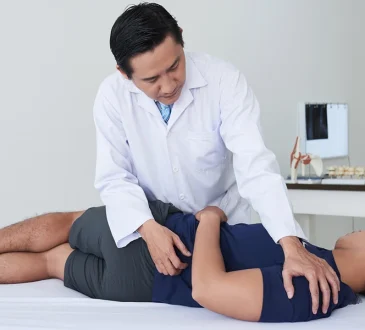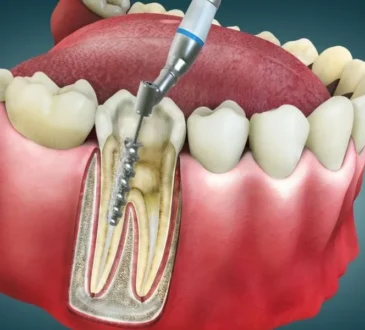


Many people live with chronic pain longer than they should because they assume the only real solution is surgery. If back pain, neck pain, joint pain, or nerve pain has been interfering with your daily life, it is easy to feel stuck between temporary medication and the idea of a major procedure. For a lot of patients, though, that is not the full picture.
Advances in non-surgical pain relief in Turlock, CA have given patients more options than ever before. Modern pain management often focuses on treating the source of pain with targeted, minimally invasive techniques that can reduce inflammation, improve movement, and help patients get back to daily life without the long recovery that surgery often brings.
This approach matters because chronic pain affects much more than physical comfort. It can change sleep, mood, work performance, mobility, and independence. When pain lasts for months, it tends to touch every part of life. Finding an option that addresses the problem directly can make a meaningful difference.
Why People Want to Avoid Surgery When Possible
Surgery has an important role in some cases, but it is understandable that many patients want to explore other options first. Surgery often comes with downtime, restrictions on activity, time away from work, and a longer recovery process. For some patients, it may also feel too aggressive as a first step, especially if they have not yet tried more targeted conservative care.
Non-surgical treatment can be appealing because it allows a more measured approach. Instead of jumping immediately to a major procedure, patients can evaluate whether precise pain interventions improve symptoms enough to restore comfort and function. In many cases, they do.
There is also the question of daily life. People in Turlock are busy. They may be working, taking care of family, running a household, or trying to stay active in their community. A treatment option that supports recovery without pulling them out of life for an extended period is often worth exploring first.
What Kinds of Pain Can Be Treated This Way
Non-surgical treatment is not limited to one condition. Patients may seek help for chronic lower back pain, neck pain, arthritis-related joint pain, sciatica, nerve irritation, shoulder pain, or pain that continues after an injury. Some are dealing with long-standing wear and tear. Others developed pain after an accident, repetitive strain, or a disc problem.
The important question is not just where the pain is located, but what is causing it. Pain can come from inflamed joints, compressed nerves, damaged discs, irritated soft tissue, or degenerative changes in the spine. That is why a focused evaluation matters. Two people may both say they have back pain, yet the most effective treatment for each person may be completely different.
A pain management clinic in Turlock, CA aims to sort out those differences and build a treatment plan around the actual pain generator. That approach can improve outcomes because treatment is chosen for the specific condition rather than applied in a broad, generic way.
Common Non-Surgical Options That May Help
Interventional pain management often includes image-guided procedures designed to reach the source of pain with greater accuracy. Depending on the condition, treatment may include epidural steroid injections, joint injections, nerve blocks, or radiofrequency ablation. Each option serves a different purpose.
For example, injections may help calm inflammation around a nerve or irritated joint. Nerve blocks can help confirm where pain is coming from while also providing relief. Radiofrequency ablation may be used in certain cases to interrupt pain signals for a longer period of time.
What makes these options valuable is that they are targeted. Rather than relying only on oral pain medicine that affects the whole body, these treatments are directed at the painful structure itself. That precision often makes them a strong option for patients who want meaningful relief without surgery.
What Patients Often Gain from Treatment
The goal of non-surgical care is not only to lower pain levels. It is also to improve function. That may mean being able to sit comfortably through work, walk more easily, sleep better, return to exercise, or complete household tasks without flaring up for days afterward.
Patients often appreciate the shorter recovery time that comes with minimally invasive care. Many procedures are done without the disruption associated with surgery. That can make treatment feel more manageable and less intimidating.
Another benefit is flexibility. A pain management plan can be adjusted based on how you respond. If one area improves but another still causes problems, care can be refined over time. That allows treatment to stay practical and patient-specific instead of locked into a one-time decision.
Who Should Consider an Evaluation
If pain has lasted for weeks or months, keeps returning, or is starting to interfere with work and normal movement, it may be time to look at non-surgical options. This is especially true if home remedies, rest, stretching, or medication have not provided enough relief.
Patients who want to avoid surgery are often good candidates for an evaluation, but so are people who simply want a clearer understanding of what is causing their pain. Knowing whether the problem is related to a nerve, joint, disc, or another source can change the next step entirely.
An evaluation can also help patients decide whether their pain pattern is likely to respond to targeted treatment. That kind of clarity can save time and reduce the frustration of trying one temporary fix after another. If you have been living with pain and assuming surgery is your only real option, it may be time to take a closer look at what modern pain care can offer. Non-surgical treatment can help many patients reduce pain, improve mobility, and return to daily life with less disruption.
To learn more about treatment options, visit NorCal Pain Treatment Center or schedule a consultation.
For general educational information, see CDC.