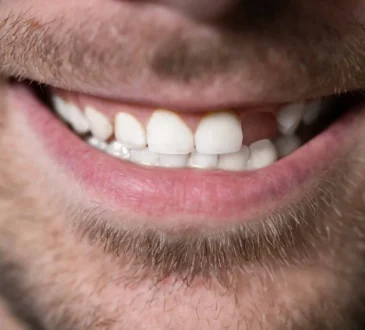

A periodontist is a dental specialist who focuses on treating gum disease and protecting the structures that support your teeth, including the gums and jawbone. They are trained to diagnose, prevent, and manage conditions that affect these areas. Their main goal during treatment is to stop infection, reduce inflammation, restore gum health, and help save your natural teeth while maintaining overall oral health and stability, which can also support results from teeth whitening near me.
Initial Evaluation and Diagnosis
During your visit, the periodontist begins with a detailed assessment. They review your medical and dental history to understand any underlying conditions that may affect your gums. Then, they perform a thorough oral examination to check for signs of inflammation, bleeding, plaque buildup, and gum recession.
They may also:
- Measure the depth of gum pockets around your teeth
- Take X-rays to check for bone loss
- Evaluate how your teeth fit together
This information helps them determine the severity of the problem and create a best and workable personalised treatment plan.
Non-Surgical Treatments
For early to moderate gum disease, the periodontist usually starts with non-surgical procedures.
Scaling and root planing: This deep cleaning removes plaque and tartar from below the gumline and smooths the roots to help gums reattach together.
Medications: Antibiotics or antimicrobial treatments may be used to control bacterial infection.
Custom trays: In some cases, patients are given trays to apply medication directly to affected areas at home.
These treatments aim to reduce infection and stop the disease from progressing.
https://www.youtube.com/watch?v=Vr31xZB6SnU
Surgical Treatments
If gum disease is more advanced, surgical procedures may be required.
Gum grafts: Tissue is added to areas where gums have receded, protecting tooth roots and improving appearance.
Pocket reduction surgery: This reduces the space between teeth and gums, making it harder for bacteria to grow.
Bone grafts and regeneration: These procedures help rebuild lost bone and support around teeth.
Laser therapy: A modern option that removes infected tissue with less discomfort and faster healing.
Ongoing Monitoring and Maintenance
After treatment, the periodontist continues to monitor your progress. Regular follow-up visits are important to ensure healing and prevent the disease from returning. Maintenance cleanings are often scheduled every few months to keep your gums healthy.
Focus on Prevention and Education
A key part of periodontal care is helping patients maintain good oral hygiene. The periodontist will guide you on proper brushing, flossing, and lifestyle habits to protect your teeth long-term.
Conclusion
During treatment, a periodontist does much more than just clean your teeth. They diagnose gum problems, provide targeted treatments, and help restore the health of your gums and bone. With proper care and regular follow-ups, they play a crucial role in saving your natural teeth and maintaining a healthy and good smile.