
A few years ago, compression therapy in Chandigarh was mostly something athletes talked about after intense training. Today it has become a regular part of recovery routines for everyone from weekend runners to people who simply spend long hours on their feet or sitting at a desk. As more people learn how the therapy actually works, it is moving from a niche recovery tool to something closer to a wellness essential.
This guide explains what compression therapy does, why it has become so popular, and who should consider adding it to their routine.
What Is Compression Therapy?
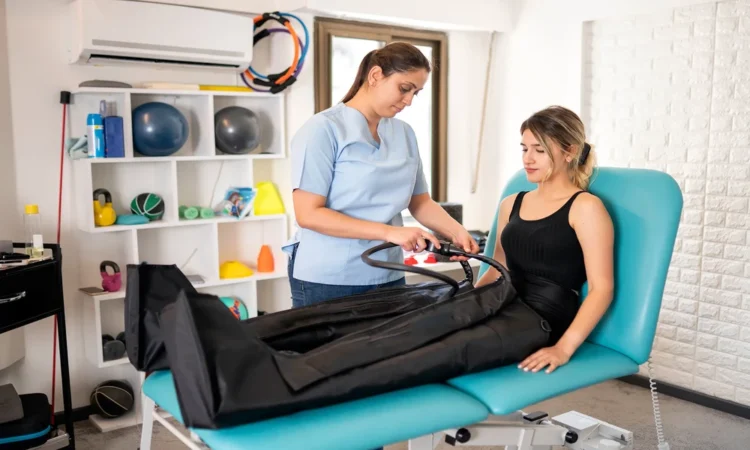
Compression therapy uses inflatable sleeves, usually worn on the legs or arms, that apply rhythmic, controlled pressure to your limbs. The pressure moves in sequential waves, starting from the lower part of the limb and moving upward, which helps push blood and lymph fluid back toward the heart more efficiently than your body would manage on its own after a hard session or a long day.
Unlike a manual massage, the pressure is consistent and precisely controlled by the device, which means every session delivers the same programmed intensity. Sessions are generally short, often between twenty and forty five minutes, and require no active effort from you beyond lying back and letting the sleeves do the work.
Compression Therapy Benefits Worth Knowing
The growing popularity of this therapy comes down to a fairly simple list of compression therapy benefits that are easy to feel almost immediately:
- Reduced muscle soreness after intense training or long periods of standing
- Improved circulation, which supports faster removal of metabolic waste from tired muscles
- Less swelling in the legs, especially after travel or extended sitting
- A noticeable feeling of lightness and reduced heaviness in the limbs
- A passive way to support recovery without added physical strain
- A calming effect, since many people find the rhythmic pressure genuinely relaxing
These benefits are one reason the therapy has expanded well beyond sports recovery into general wellness and longevity routines.
Compression Therapy for Muscle Recovery
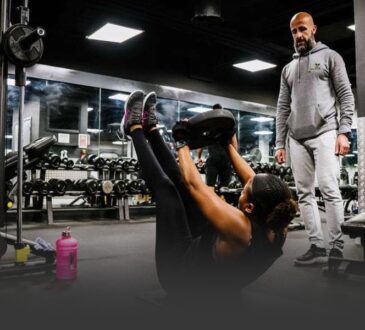
One of the main reasons this therapy has gained traction is its role in compression therapy for muscle recovery. After exercise, especially strength training or long endurance sessions, small amounts of fluid and metabolic byproducts build up in the muscle tissue, contributing to stiffness and soreness. Sequential compression helps clear this buildup faster than rest alone, which can shorten the time it takes to feel ready for your next session.
This is particularly useful for people training multiple times a week, since it reduces the cumulative fatigue that can lead to overtraining or nagging soreness that never fully resolves between sessions.
Compression Therapy for Post-Workout Recovery
Beyond general muscle recovery, compression therapy for post-workout recovery has become a popular add on immediately after a gym session or a run. Many people schedule a short session right after training, while others prefer to use it later the same day or the next morning if soreness sets in.
Either way, the goal is the same: helping the body clear the natural buildup from intense effort so that stiffness does not linger and affect your next workout, your posture, or your general comfort throughout the day.
Who Should Consider Compression Therapy
This therapy tends to suit a wide range of people, not just competitive athletes. It is worth considering if you:
- Train regularly and want to recover faster between sessions
- Spend long hours standing, traveling, or sitting and notice heaviness in your legs
- Deal with mild swelling that builds up by the end of the day
- Want a passive, low effort way to support circulation as part of a broader wellness routine
- Are looking for a recovery option that complements other treatments like massage or lymphatic drainage.
As with any recovery technology, people with certain circulatory conditions, blood clots, or specific medical concerns should check with their doctor before starting, since the therapy is not universally suitable.
Why It Fits Into a Longevity and Recovery Routine
Compression therapy works best when it is part of a broader, structured recovery approach rather than a standalone fix. At Aliine, it sits within the Longevity and Recovery pillar, alongside other protocols designed to support circulation, reduce inflammation, and help the body recover more fully between periods of physical or mental stress. Used consistently, it becomes less of an occasional treat and more of a genuine recovery habit, which is exactly why it has earned a permanent place in so many wellness routines.
Getting Started
If you have never tried compression therapy before, a single session is usually enough to understand how it feels and whether the sensation works for you. Most people notice reduced heaviness and improved comfort right away, with the deeper recovery benefits building as sessions become part of a regular routine.
Frequently Asked Questions
Is compression therapy painful?
No. It should feel like a firm, rhythmic squeeze rather than anything sharp or uncomfortable. Most people find the sensation relaxing rather than intense.
How often should I do compression therapy?
For general recovery, once or twice a week works well. Athletes in heavy training periods sometimes use it more frequently, depending on their schedule and how their body responds.
Can compression therapy help with leg swelling from travel?
Yes. It is commonly used to reduce heaviness and mild swelling in the legs after long flights or extended periods of sitting.
Is compression therapy only for athletes?
No. While athletes use it heavily, it also helps people with desk jobs, frequent travelers, or anyone dealing with circulation related heaviness or fatigue.
How soon can I use compression therapy after a workout?
Many people use it immediately after training, while others prefer a session later the same day or the next morning if soreness develops gradually.
Is compression therapy safe for everyone?
Most people tolerate it well, but those with certain circulatory conditions, active blood clots, or specific medical concerns should check with their doctor before trying it.