Severe Dental Injuries Requiring Anchorage Emergency Dentist Attention Without Unnecessary Delays

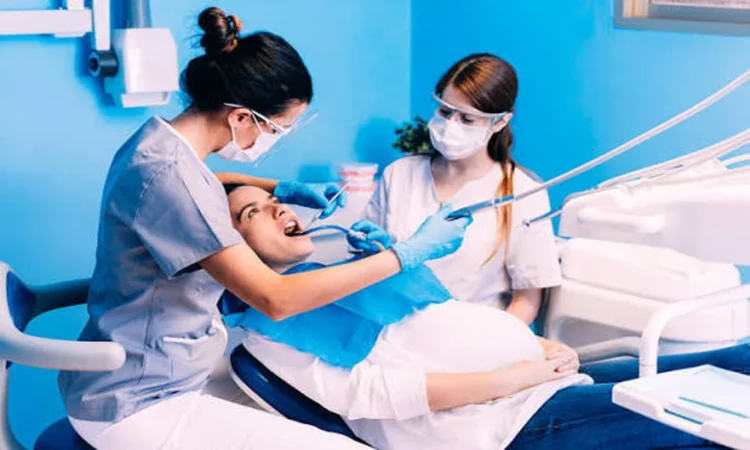
Sudden dental damages can create pain, bleeding, swelling, or care using the mouth normally. Knowing when dentist anchorage care may be needed helps people respond without unnecessary delay. People searching this topic usually want clear signs that indicate urgent attention may be needed. A calm plan can reduce confusion when symptoms appear quickly after an accident or sudden impact. Without clear steps, people may wait too long or choose unsuitable home measures.
Recognizing Signs That Need Prompt Help
Severe damage may present as a spot of pain, an overall change in appearance, bleeding, swelling or trouble moving the mouth. A set of given answers eliminates distractions and allows focus on the situations that require immediate attention and those that can be addressed later.
- Check whether bleeding continues despite gentle pressure.
- Notice sudden changes in tooth position or appearance.
- Seek help when pain becomes severe or persistent.
- Watch for swelling that increases rather than settles.
A quick check gives useful information without relying on guesswork.
Reviewing Choices When Circumstances Change
A situation that initially seems manageable can become more serious if symptoms increase. Changes in pain, swelling, bleeding, appearance, or normal mouth function should therefore receive attention.
Information from emeraldpeakdental.com may also help readers understand what type of professional service they should seek when urgent concerns arise.
The table below provides a simple way to compare common warning signs with sensible responses.
| Situation | What to Notice | Practical Response |
| Minor visible damage | Small change without major discomfort | Arrange a routine assessment |
| Persistent discomfort | Pain continues or increases | Seek professional guidance promptly |
| Ongoing bleeding | Bleeding does not settle | Request urgent professional attention |
| Major visible change | Noticeable movement or altered position | Seek prompt assessment |
| Increasing swelling | Area becomes more swollen | Obtain timely professional advice |
Conditions can change, so decisions should be based on current symptoms rather than the first impression.
Following A Clear Action Sequence
A step-based response can make urgent situations easier to manage. The purpose is not to diagnose the problem at home. Instead, it provides a simple order for gathering information and seeking appropriate assistance.
- Stay calm and check the most obvious symptoms first.
- Protect the affected area from unnecessary pressure or contact.
- Record important details about timing and visible changes.
- Contact an appropriate professional when warning signs appear.
- Follow specific instructions given during the initial conversation.
- Avoid unverified home measures that may worsen irritation.
- Monitor changes while waiting for further professional advice.
- Seek renewed guidance if symptoms become stronger or different.
The main limitation is that each injury can differ, so the sequence may need adjustment.
Common Questions About Urgent Dental Care
- What information should be shared when seeking help? Explain what happened, when it occurred, current symptoms, visible changes, and any difficulty using the mouth.
- Is home care enough for severe damage? Severe symptoms should not rely only on home measures. Professional guidance is more appropriate when serious warning signs appear.
Practical Steps for Safer Decisions
Severe dental injuries require calm decisions based on visible symptoms and changing conditions. Early professional attention can reduce uncertainty when damage appears serious or unclear. Avoiding unnecessary handling can help prevent additional irritation before assessment. Clear information about symptoms can support faster communication during urgent situations A simple response plan makes it easier to act without unnecessary delays.
Map Link: