

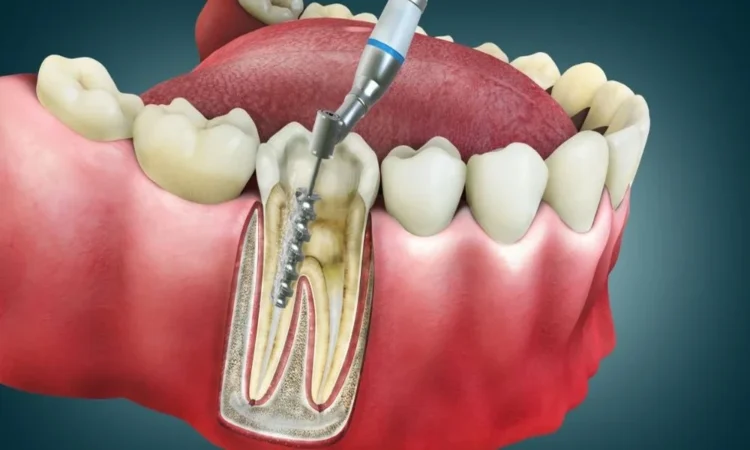
The word alone tends to trigger more anxiety than the procedure itself deserves, largely because the reputation was earned decades ago before modern anaesthetic and rotary instruments changed what the appointment actually involves. Most patients who have been through root canal treatment Singapore describe it as similar in discomfort to having a filling placed, not the ordeal its reputation suggests, since the pain patients associate with it usually came from the infection beforehand rather than the treatment.
What’s Actually Happening Inside the Tooth
Beneath the enamel and dentine sits the pulp, a soft tissue containing nerves and blood vessels that can become inflamed or infected through deep decay, a crack, or repeated dental procedures on the same tooth. Once the pulp is irreversibly damaged, it cannot heal itself, and the infection will continue to spread through the root canals unless it’s removed and the space is cleaned and sealed. Left untreated for long enough, the infection can travel beyond the root tip and affect the surrounding jawbone.
Signs That Often Point to This Problem
Persistent throbbing pain, sensitivity to hot or cold that lingers well after the stimulus is removed, and swelling or tenderness in the gum near a specific tooth are common indicators. Some infections progress quietly with minimal pain until an abscess forms, which is why a tooth that suddenly stops hurting shouldn’t automatically be assumed to have resolved on its own.
How the Tooth Is Assessed Beforehand
An X-ray is used to map the shape and number of root canals, which can vary considerably between teeth and even between patients with the same tooth type. Cold or electric pulp testing helps confirm whether the nerve is still responsive, and tapping the tooth can reveal whether inflammation has spread to the surrounding bone, all of which shapes how the dentist approaches treatment. Molars in particular can have three or four canals with unpredictable curvature, which is part of why some cases take longer than others.
What Happens During the Appointment
After local anaesthetic takes effect, a small opening is made in the top of the tooth to access the pulp chamber, and fine instruments are used to remove infected tissue from each canal. The canals are then cleaned, shaped and irrigated with an antimicrobial solution before being filled with a biocompatible material. A root canal specialist will usually complete straightforward cases in one to two visits depending on how complex the canal anatomy turns out to be.
Why a Crown Usually Follows
Removing the pulp leaves a tooth more brittle over time, since it no longer receives the blood supply that once kept the dentine somewhat resilient. A crown placed over the treated tooth distributes chewing forces evenly and protects it from fracturing, which is why most root-treated back teeth are capped rather than left with just the filling that seals the access opening.
What Recovery Typically Feels Like
Mild tenderness for a few days afterwards is normal, particularly when biting directly on the treated tooth, and is usually managed with over-the-counter pain relief. Discomfort that worsens after the first few days, or swelling that develops later, is not typical and should be checked, since it can indicate the infection wasn’t fully resolved or that a canal was missed. Most patients find they can return to normal eating within a day, avoiding the treated side until the temporary or permanent filling has fully set.
Common Misconceptions About the Procedure
A persistent myth is that removing a tooth is simpler and therefore preferable to saving it with root canal treatment, but extraction creates its own long-term complications, including bone loss and shifting of neighbouring teeth, that often cost more to address later than the original treatment would have. Another common assumption is that the procedure itself causes the pain, when in most cases the infection was already the source of discomfort beforehand.
When Extraction Becomes the More Sensible Option
Not every tooth is worth saving. Severe fractures extending below the gumline, insufficient remaining tooth structure to support a crown, or extensive bone loss around the root can all make extraction and replacement the more practical route. A dentist weighing these factors will usually explain both the short-term and long-term implications of each option before recommending one.
What Influences the Cost
Pricing depends on which tooth is involved, since molars have more canals and take longer to treat than front teeth, along with whether specialist equipment such as a dental microscope is used for particularly complex anatomy. The crown that typically follows treatment is usually priced separately and should be factored into the overall budget from the outset. Retreatment of a previously root-treated tooth, where an earlier filling material is removed and the canals recleaned, generally costs more than initial treatment due to the added complexity.
Deciding How to Move Forward
If a tooth is showing signs of pulp damage, the most useful next step is a proper assessment rather than waiting to see whether the pain resolves on its own, since delayed treatment tends to make the infection harder to manage and increases the risk of losing the tooth entirely. Discussing root canal treatment Singapore options early, including what a realistic timeline and cost will look like, puts the decision back in the patient’s hands rather than the infection’s.