
Constant Rate Infusions Keep A Pet’s Medication Delivery Steady During Hospital Care

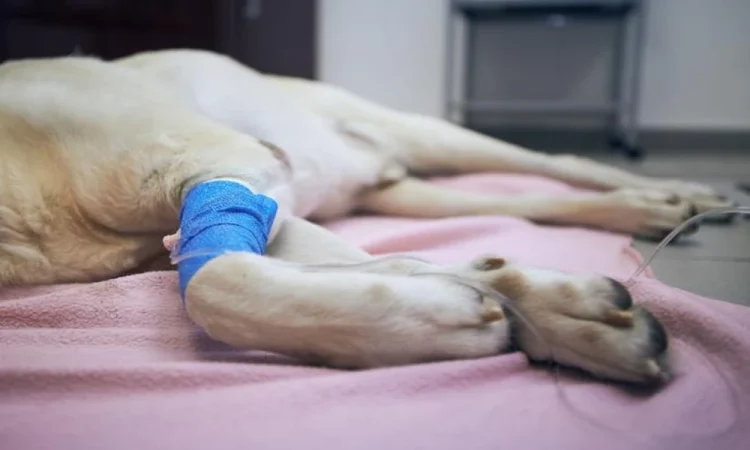

When your dog or cat is in the hospital, the waiting feels heavy. You are watching for every update, trying to make sense of unfamiliar terms, and hoping the care plan is doing exactly what your pet needs. If your veterinarian mentions a constant rate infusion at Oaks Pet Hospital veterinary surgery in Bakersfield, you may hear the words but still wonder what it means for your pet right now, how it helps, and whether it changes comfort, safety, or cost.
A constant rate infusion, often called a CRI, delivers medication in a slow, controlled stream through an IV line. Instead of medication wearing off between doses, the drug stays at a more even level in the body. That steady delivery can matter a great deal during hospital care, especially for pain control, nausea, sedation, heart problems, and other urgent conditions. In plain terms, constant rate infusions keep a pet’s medication delivery steady during hospital care because they are built to avoid the peaks and dips that can come with repeated injections.
Constant rate infusion therapy supports comfort and control
Pets in the hospital are often dealing with more than one problem at once. A dog recovering from surgery may have pain, stress, and nausea. A cat with a urinary blockage may need pain relief, fluids, and close monitoring. A pet with pancreatitis may need anti nausea support while the team also manages dehydration and discomfort. In cases like these, giving a drug every few hours can leave gaps. A pet may feel better for a while, then start hurting or vomiting again before the next dose.
A CRI changes that pattern. Medication is delivered continuously at a calculated rate, which helps maintain a stable effect. That can mean smoother pain control, less breakthrough discomfort, and fewer swings in response. Veterinary emergency and critical care teams use these infusions because they allow tight adjustment based on a pet’s size, condition, and response. North Carolina State University’s emergency and critical care resources reflect how closely monitored treatments support pets with serious medical needs.
This kind of continuous IV medication for pets is not one single drug or one single purpose. It is a method of delivery. Pain medications, sedatives, anti nausea medications, and some cardiovascular drugs may all be given this way when a veterinarian needs steady effect and quick adjustment.
Medication peaks and dips can make hospital care harder on pets
You may have seen this at home with oral medicine. A dose works, then your pet seems uncomfortable again before the next one. In a hospital setting, those ups and downs can be more serious. Pain that returns between injections can slow recovery. Nausea that breaks through can make a pet less willing to rest. Agitation can increase stress on the body at a time when healing depends on stability.
Steadier drug levels can also help the medical team read the situation more clearly. If a pet is receiving intermittent injections and seems restless, it may be hard to tell whether the issue is pain, fear, nausea, or the normal rise and fall of a medication. A controlled infusion gives the team a cleaner picture and allows dose changes based on real response rather than guesswork.
Cornell’s work in acute pain management supports this approach. Good pain control is not only about comfort. It affects breathing, movement, stress hormones, appetite, and recovery. A pet that is more comfortable often rests better and tolerates necessary treatment more smoothly.
Constant rate infusion treatment is tailored to the pet in front of the team
No veterinarian uses a CRI just because it is available. The decision depends on the pet’s diagnosis, blood work, blood pressure, age, hydration status, and overall stability. A tiny senior cat with kidney disease needs a different plan than a young dog recovering from trauma. The drug choice, rate, and monitoring plan are all individualized.
This is one reason steady IV drug delivery for pets is generally tied to hospital care. The benefit comes from precision and monitoring. Pumps are used to control the rate, and the veterinary team watches for effect and side effects. Texas A&M’s continuing education resources on pain management and infusion techniques show how much training goes into this kind of care, including advanced veterinary pain management education.
Hospital injections and constant rate infusions differ in key ways
| Approach | How medication is given | Main benefit | Main concern |
|---|---|---|---|
| Intermittent injection | Single doses at set times | Simple and useful for many routine needs | Effect may rise and fall between doses |
| Constant rate infusion | Continuous IV delivery by pump | More stable drug levels and easier fine tuning | Requires close hospital monitoring and equipment |
| Oral medication | Tablet or liquid by mouth | Good for home care and longer treatment plans | Not ideal when a pet is vomiting, unstable, or not eating |
The value of a CRI is most clear when the goal is consistency. If your pet needs rapid adjustment, cannot keep oral medication down, or is in enough pain that waiting for the next injection is not acceptable, a veterinary medication infusion may be the better tool.
Three steps help you make sense of a pet’s infusion plan
Ask what problem the infusion is treating. Start with the purpose. Is it for pain, nausea, sedation, blood pressure support, or more than one issue? That answer tells you what the team is trying to stabilize and what changes they expect to see.
Ask how the team will monitor response. You deserve a clear picture of what they are watching. That may include pain scores, heart rate, blood pressure, breathing, appetite, urine output, and behavior. A solid plan is not just about starting a medication. It is about checking whether it is working and adjusting when needed.
Ask what comes next after hospital care. Some pets only need a CRI for a short window, then transition to injections or oral medicine. Others need more time in the hospital before that switch is safe. Knowing the likely next step can ease some of the uncertainty and help you prepare for discharge.
Steady medication delivery can give a sick pet a calmer path through treatment
When a pet is hospitalized, you want care that is thoughtful, measured, and responsive. Constant rate infusions are used for exactly that reason. They help the veterinary team keep medication levels steadier, adjust treatment quickly, and support comfort during a hard stretch of care. If your pet is receiving one, it usually means the team is aiming for close control instead of waiting for symptoms to rise and fall.
If your pet is in the hospital and you are hearing terms that feel unfamiliar, ask for the plan in plain language. Clear answers matter, and so does your peace of mind. The team at your Cat And Dog Animal Hospital can walk you through what a CRI is treating, how it is monitored, and what recovery may look like from here.