

When it comes to your child’s health, medical treatment may feel intimidating and frightening. As a parent, you instinctively wish to shield your child from any possible danger or distress.
One frequently discussed dental treatment that often prompts questions is the frenectomy. But how much does it truly hurt?
Understanding Frenectomy
This is a straightforward surgical operation designed to eliminate or relax the frenum. This tissue exists in different regions of the body.
But in dentistry, we typically refer to those within the mouth. Particularly the tongue and upper lip, or lingual and labial frenum.
- Lingual
This method deals with what is commonly called tongue-tie. A tight or excessively long lingual frenum can lead to challenges in speech, eating, and maintaining oral hygiene. Kids with tongue-tie might have difficulty elevating their tongue or extending it beyond their lips. But how much does a frenectomy hurt?
- Labial
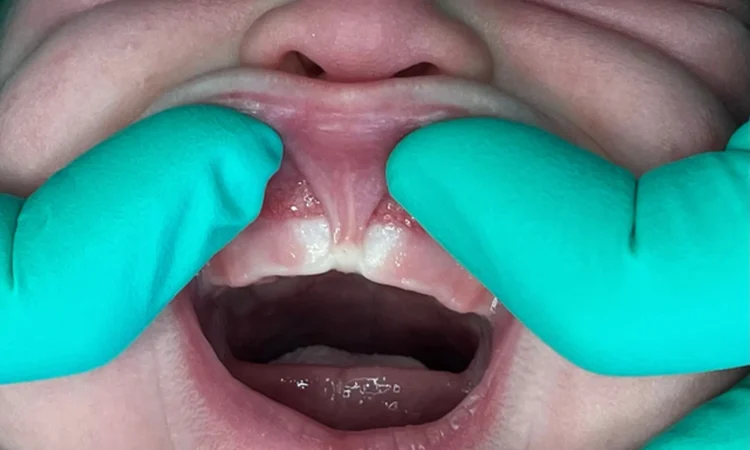
This treatment addresses the band of tissue linking your gums to the upper lip. If this tissue is overly tight or stretches excessively down your gum line. It may cause gaps in teeth, especially between the two front teeth. It can also lead to problems with effective oral hygiene. That’s because brushing along the gum line might be challenging.
The Procedure
The practice itself is swift and effective, generally lasting under 15 minutes. It includes employing a laser or scalpel to cut or relax the frenum.
Here’s a detailed outline of what you can anticipate:
- Assessment: The specialist will initially perform a comprehensive assessment to determine if a frenectomy is needed.
- Anesthesia: Local anesthesia is utilized to desensitize the region. This guarantees the child experiences no discomfort throughout the process. For infants, sometimes anesthesia isn’t required because the area has minimal nerve endings.
- The Method: A scalpel or laser is employed to cut the frenum. The laser choice frequently leads to reduced bleeding and quicker recovery. The frenum may be entirely removed or loosened to enhance mobility.
- Closing: Stitches might be necessary. This isn’t always required, particularly when a laser is utilized.
- Post-Care: Your dentist will give guidelines for care after the procedure.
Pain & Recovery
A frequent worry for parents regarding frenectomies is the amount of pain experienced. The positive aspect is that the majority of children feel little discomfort during the procedure. This is due to local anesthesia use.
Following the procedure, mild discomfort or soreness may occur as the area recuperates. Nevertheless, this is usually mild. It can be controlled with pain relievers – click https://www.ada.org/resources/ada-library/oral-health-topics/oral-analgesics-for-acute-dental-pain to learn more.
Here’s what you could anticipate throughout the recovery process:
- It’s common for the region to be a bit red or inflamed for several days following the procedure.
- For the first day or two, your child may feel some discomfort. Especially while drinking or eating.
- Motivate your child to swish warm salt water in their mouth to promote healing and lessen discomfort.
- Soft foods may be beneficial in the initial days after the procedure to reduce irritation at the surgical area.
- The majority of children resume their regular activities in a day after the procedure.

Getting Your Child Ready
Consider these suggestions to help get them ready:
- Clarify the Process
Utilize language suitable for their age to describe the upcoming events. For small children, you could explain it as repairing their lip or tongue. And that it’s performed to assist them in eating or speaking more effectively.
- Emphasize the Advantages
Point out how the treatment will assist them. Whether by simplifying the enjoyment of their preferred foods or aiding in articulating specific words.
- Practice Aftercare
Now, if your kid is old enough, have them rinse with salt water. That’s before the procedure to ensure they’re familiar with it afterward.
- Ensure Comfort
Take a beloved toy to the appointment for extra comfort.
Long-Term Results
Although the idea of any surgical practice may be anxiety-inducing since it’s for your child. It’s crucial to think about the lasting advantages. These frequently overshadow the short-lived unease:
- Enhanced Speech: A frenectomy can significantly boost sound formation for children. Thus, leading to better overall speech development. Go to this site to learn more.
- Simplified Feeding: Babies with tongue-tie frequently have difficulties with breast or bottle feeding. The treatment can enhance feeding comfort and efficiency significantly.
- Improved Oral Hygiene: If the frenum limits effective cleaning of gums and teeth. Then, it may cause dental issues. A frenectomy enables improved oral hygiene routines.
- Better Self-Worth: For older kids, limitations in tongue mobility or a visible space between their front teeth can impact self-worth. A frenectomy may assist in resolving these concerns.
The recovery process is typically quick, with complete healing usually occurring within 1 to 2 weeks. The advantages are enduring, frequently completely addressing the problem.
Conclusion
Professionals recognize the worries that parents experience regarding dental treatments. Particularly those that require surgery. That’s why they’re dedicated to ensuring the process is as comfortable and worry-free as possible.
They possess a skilled team that assists children of various ages and requirements. Therefore, guaranteeing that your child gets the highest quality of care available.