
You may be thinking about veneers, bonding, crowns, or a full smile makeover because something has felt off for a long time. Maybe a front tooth chipped, old dental work is showing its age, or your gums bleed when you brush and you are worried that cosmetic work will not last. That stress is real. Most people do not start with smile design because everything is perfect. They start because they want to fix damage, feel more confident, and stop the cycle of one dental problem leading to another with help from a family dentist in Hackensack.
How Preventive Dentistry Supports Smile Design And Reconstruction comes down to one simple truth. Cosmetic and reconstructive work lasts longer when the teeth, gums, and bite underneath are healthy. A beautiful smile is not built on weak enamel, untreated decay, or inflamed gums. It is built on daily care, early treatment, and a plan that protects your oral health before, during, and after cosmetic treatment.
Preventive dental care creates the foundation for smile design
Smile design focuses on shape, color, symmetry, and balance. Reconstruction goes further and repairs function when teeth are worn, broken, missing, or unstable. Both depend on prevention. If plaque stays along the gumline, if grinding keeps wearing teeth down, or if dry mouth is feeding cavities, the nicest cosmetic result can fail early.
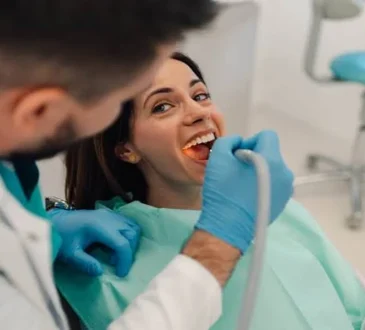
This is where a family and cosmetic dentist looks beyond the surface. Before recommending veneers or crowns, they check for gum disease, bite problems, weak fillings, enamel wear, and hidden decay. That may feel frustrating if you hoped to move straight to the cosmetic part, but it saves money, time, and disappointment. Treating the cause first gives the final result a better chance to hold up.
National public health sources keep pointing to the same issue. Adult oral health problems are common, and they affect comfort, appearance, and overall health. The HRSA overview on adult oral health explains how untreated dental disease can interfere with eating, speaking, and daily life. That matters in smile design because function and appearance are tied together.
Ignoring prevention makes cosmetic dentistry more fragile
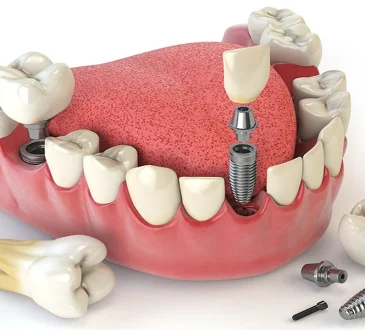
You can picture how this happens. A patient wants whiter, straighter front teeth, so veneers seem like the answer. If the gums are swollen or the bite is uneven, those veneers may look good at first and then chip, stain at the edges, or start to feel bulky because the surrounding tissues were never stable. The same goes for crowns placed on teeth with active decay or for implants in a mouth with poor hygiene habits. The work may be technically strong, but the environment around it keeps working against it.
That is why preventive dentistry for smile reconstruction matters so much. Cleanings remove buildup that fuels inflammation. Exams catch cracks and decay early. Fluoride and home care support enamel. Night guards protect teeth and restorations from clenching. Periodontal care keeps the gumline healthy, which affects how every cosmetic treatment looks.
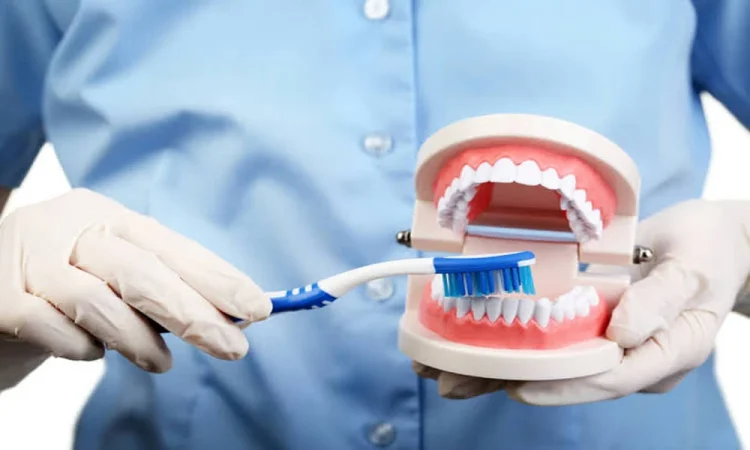
The CDC oral health tips for adults reinforces these basics, including brushing with fluoride toothpaste, flossing, limiting sugar, and seeing a dentist regularly. These are not small habits. They are the maintenance system behind cosmetic success.
Preventive care lowers the risk of bigger reconstruction later
Small problems do not stay small for long in the mouth. A little cavity can turn into a root canal and crown. Mild grinding can become severe wear that changes your bite and facial appearance. Gum inflammation can progress to bone loss, tooth movement, and gaps that were never there before. When people need complex reconstruction, there is often a long history of issues that were manageable much earlier.
Smile makeover prevention helps interrupt that pattern. It protects natural tooth structure, which is always worth preserving when possible. It also helps your dentist design treatment more conservatively. If your enamel is sound and your gums are healthy, you may qualify for bonding or minimal prep veneers instead of more aggressive restorations.
The broader research backs this up. The NIDCR report on oral health in America describes both the progress in dental care and the ongoing burden of preventable oral disease. Prevention is not separate from cosmetic dentistry. It is what makes cosmetic dentistry more predictable.
Preventive dentistry and cosmetic treatment work better together
| Situation | When prevention is ignored | When prevention is part of the plan |
|---|---|---|
| Veneers for worn front teeth | Continued grinding can chip veneers and strain the bite | Night guard and bite review help protect veneers and reduce wear |
| Crowns on damaged teeth | Hidden decay or poor hygiene can shorten crown life | Decay control and regular cleanings improve long term stability |
| Gum contouring and whitening | Inflamed gums can affect healing and the final look | Periodontal care creates healthier tissue and cleaner cosmetic results |
| Full mouth reconstruction | Unmanaged bite issues can lead to fractures and discomfort | Preventive monitoring helps restorations function more evenly |
Clear steps help you protect your smile before reconstruction
Start with a health first exam. Ask for a full evaluation of gums, existing restorations, decay risk, wear patterns, and bite function before choosing cosmetic treatment. If your dentist finds inflammation or structural issues, addressing them first is not a delay. It is part of the design process.
Build a home care routine that matches your risk. Brush twice a day with fluoride toothpaste, clean between teeth daily, and follow any added steps for dry mouth, grinding, or cavity risk. Generic advice is not always enough. The right routine depends on what is actually threatening your teeth.
Plan for maintenance before treatment begins. Ask how often you should return for cleanings, whether you need a night guard, and how to care for veneers, bonding, crowns, or implants. Cosmetic results age better when maintenance is built into the plan from day one.
Healthy structure gives smile design a better future
If you are considering cosmetic work, you do not need a perfect mouth to begin. You do need an honest plan. A family and cosmetic dentist can help you treat disease, protect what is healthy, and rebuild what has been lost without skipping the basics that keep your smile stable. Prevention is not the boring part before the real treatment. It is the support system that makes smile design and reconstruction worth doing.
When you are ready, schedule a visit with a family and cosmetic dentist and ask for a prevention based treatment plan that supports both health and appearance.