
Implant Dentists in Singapore: Understanding the Dental Implant Consultation Process

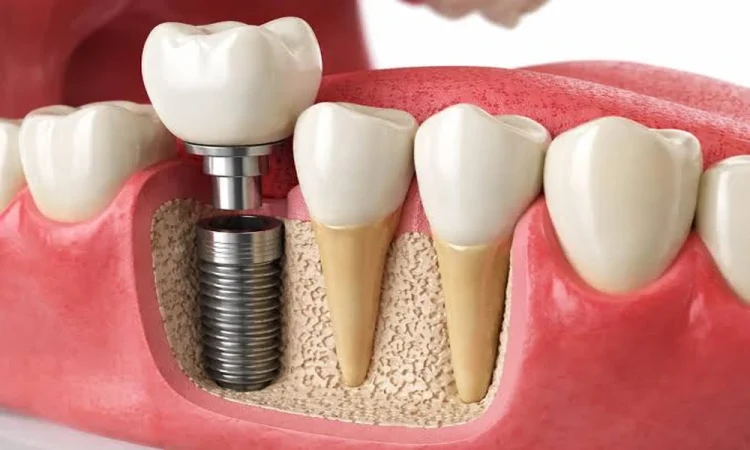
Getting a dental implant starts long before any surgery. The first consultation is where the dentist assesses whether an implant is suitable, explains the options and sets out a treatment plan. Many patients feel uncertain about what this visit involves. Knowing what to expect when meeting an implant dentist singapore helps patients prepare, ask useful questions and make informed decisions. This article walks through the typical consultation process. It is general information, and individual assessment by a dentist is always needed.
Why the Consultation Matters
Dental implants are a significant treatment involving surgery, healing time and cost. The consultation allows the dentist to assess oral health, bone quality and medical history to determine whether implants are appropriate. It also gives patients the chance to understand the procedure, risks, alternatives and costs before committing. A thorough consultation is the foundation of safe, successful treatment. It is also a chance to judge whether you feel comfortable with the clinic and the dentist’s approach.
Discussing Your Concerns and Goals
The consultation usually begins with a conversation. The dentist will ask about missing teeth, problems with chewing or speaking and how you feel about your smile. Explaining your goals helps the dentist understand what you hope to achieve. Patients may have different priorities, such as function, appearance, comfort or long-term durability. There are no wrong answers here, and being clear about priorities helps the dentist suggest suitable options.
Medical History Review
Your medical history is important for implant treatment. Factors the dentist may ask about include:
- Conditions such as diabetes that can affect healing
- Medications affecting bone metabolism
- Blood thinners and other medicines affecting clotting
- Smoking and other habits
- Previous gum disease
Each of these may change the plan or timing. Be open about your health, medications and habits so the dentist can assess suitability safely.
Oral Examination
The dentist examines your teeth, gums and bite. They check for gum disease, decay and other issues that may need treatment before implants. Healthy gums and surrounding teeth are important for implant success. The dentist also assesses how your teeth meet when biting, which affects implant planning. Any active decay or gum problems are usually treated before implant surgery is planned.
Imaging and Scans
Imaging helps assess bone quantity and quality, as well as the position of nerves and sinuses. Standard dental X-rays provide initial information, while three-dimensional scans such as CBCT may be used for detailed planning. These images help the dentist determine whether there is enough bone for an implant and plan its precise position. The images are often shown to the patient to explain the plan.
Assessing Bone Support
Implants need sufficient bone to anchor securely. After tooth loss, bone can shrink over time. If bone is insufficient, additional procedures such as bone grafting or sinus lifts may be recommended. The dentist will explain whether these are needed and how they affect the treatment timeline. Healing after grafting may take several months.
Treatment Options Explained
An implant dentist singapore will typically explain the available options. These may include single implants, implant-supported bridges or implant-retained dentures. Alternatives such as conventional bridges or dentures may also be discussed. Understanding the options helps patients choose a treatment that suits their needs and preferences.
The Treatment Plan
After assessment, the dentist prepares a treatment plan. This outlines the steps involved, such as any preparatory treatment, implant placement, healing time and placement of the final crown or prosthesis. Timelines vary depending on individual circumstances. The plan provides a clear roadmap for treatment. Some patients complete treatment within a few months, while others need longer if bone grafting is involved.
Discussing Risks
Like any surgical procedure, implant treatment carries risks. These may include infection, nerve injury, sinus problems or implant failure. The dentist should explain risks clearly and how they are managed. Understanding risks helps patients make informed decisions and follow aftercare instructions.
Costs and Payment
Implant costs depend on the number of implants, type of restoration and any additional procedures. The dentist should provide a cost estimate based on the treatment plan. Some components of implant treatment may be eligible for Medisave claims under MOH rules, subject to limits and conditions. Ask the clinic about eligibility and payment options.
Questions to Ask
Preparing questions helps you get the most from the consultation. Useful questions include:
Clear answers help you decide with confidence.
Preparing for Your Consultation
Bring a list of medications, details of medical conditions and any previous dental records or X-rays. Note any questions or concerns. Arriving prepared helps the consultation run smoothly and ensures important information is not missed.
Taking the Next Step
The consultation is an opportunity to understand your options and decide whether implants are right for you. Every patient’s situation is different, so personalised assessment is essential. For patients considering treatment, a clinic offering dental implant treatment in Singapore can provide an assessment and explain the options in detail.