Key Considerations Around Mobile Medical Trailers as Engineered Platforms for Community Care Delivery

Introduction
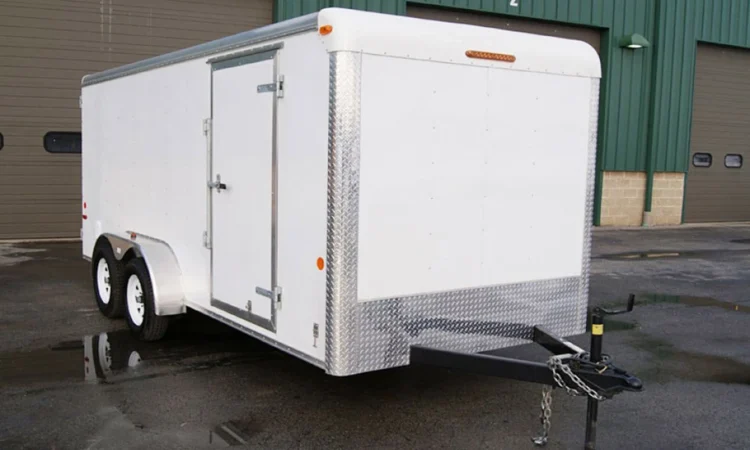
Mobile medical trailers are specially engineered healthcare units that bring medical services directly to communities with limited access to hospitals and clinics. They allow healthcare professionals to provide quality care in rural areas, schools, workplaces, disaster-affected locations, and community events. These trailers improve healthcare accessibility while supporting efficient and reliable medical services. Careful engineering, proper planning, and regular maintenance are essential to ensure they operate safely and effectively. Understanding the key considerations helps healthcare providers deliver better community care through mobile medical trailers.
Viewing the deployment of Mobile Medical Trailers As Insights into broader population health trends helps providers tailor their interventions to specific community needs. By analyzing patient volume, regional care demands, and service utilization during every visit, healthcare teams can continuously optimize their routes, equipment, and clinical offerings. This data-driven perspective ensures that mobile units do not merely deliver immediate care, but continuously evolve to address the long-term wellness of the populations they serve.
Design for Efficient Healthcare Services
The layout of a mobile medical trailer should support smooth and efficient healthcare delivery. Examination rooms, storage areas, and medical equipment should be arranged to improve workflow and allow healthcare professionals to work comfortably. Proper lighting, ventilation, and patient-friendly interiors create a comfortable treatment environment. A practical design helps reduce delays while improving the quality of healthcare services.
Prioritize Safety and Hygiene
Safety and hygiene should remain a priority in every mobile medical trailer. Medical equipment should be securely stored during transportation, while work surfaces should be easy to clean and disinfect. Proper sanitation procedures, waste disposal systems, and regular cleaning help reduce the risk of infection. Routine maintenance and safety inspections also ensure the trailer remains reliable for daily healthcare operations.
Equip the Trailer with Essential Resources
A mobile medical trailer should include the necessary equipment and supplies to provide a variety of healthcare services. Reliable power systems, clean water supplies, communication equipment, and organized storage areas support smooth daily operations. Keeping important medical resources readily available allows healthcare professionals to respond quickly to patient needs and provide efficient medical care.
Focus on Community Healthcare Needs
Healthcare outreach is most effective when services are planned around the needs of the community. Healthcare providers should identify common health concerns and offer services such as preventive care, routine health screenings, vaccinations, health education, and basic medical treatment. Regular visits encourage people to seek medical care earlier and contribute to improved public health within the community.
Ensure Long-Term Reliability
Mobile medical trailers should be built using durable materials that can withstand frequent travel and continuous use. Regular inspections, timely maintenance, and equipment upgrades help maintain dependable performance. Flexible designs also allow the trailer to adapt to future healthcare requirements and new technologies. Long-term planning helps ensure consistent and reliable healthcare delivery for many years.
Conclusion
Mobile medical trailers serve as effective engineered platforms for expanding healthcare access and improving community care delivery. Efficient design, strong safety practices, essential medical resources, community-focused healthcare services, and long-term reliability all contribute to successful mobile healthcare programs. By carefully considering these important factors, healthcare providers can deliver dependable medical services to underserved communities while improving patient confidence and healthcare accessibility. Well-designed mobile medical trailers continue to strengthen public health and expand access to quality healthcare across diverse locations.