
What to Expect When Visiting a Urologist in Abu Dhabi at a Top Abu Dhabi Hospital

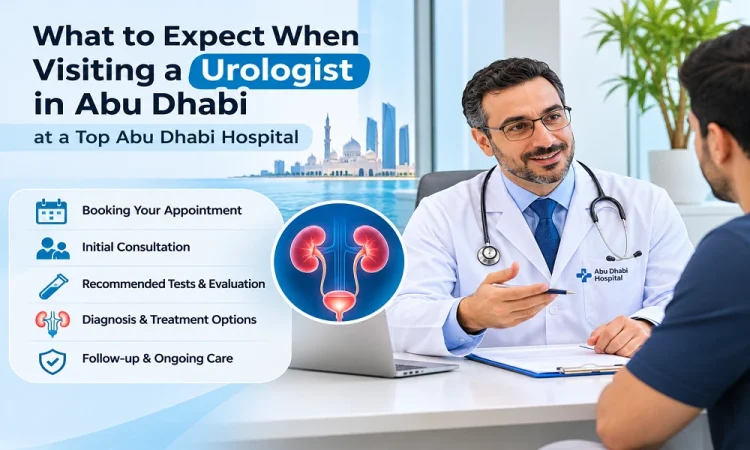
Understanding What to Expect When Visiting a Urologist in Abu Dhabi at a Top Abu Dhabi Hospital is essential for residents living in or around Reem Island seeking specialized medical care for urinary tract and reproductive system health. From initial diagnostic consultations to advanced treatment protocols, modern healthcare facilities offer comprehensive clinical management tailored to patient needs.
Understanding Urological Health and Care
Urology is a specialized branch of medicine dedicated to diagnosing and treating disorders of the male and female urinary tract systems, as well as the male reproductive system. The urinary tract includes essential organs such as the kidneys, ureters, urinary bladder, and urethra. Conditions affecting these areas can range from minor localized infections to complex chronic conditions that require long-term clinical intervention.
Seeking professional guidance from a urological specialist ensures that individuals receive accurate diagnostic evaluations. Understanding What to Expect When Visiting a Urologist in Abu Dhabi at a Top Abu Dhabi Hospital enables individuals in Abu Dhabi to approach their medical appointments with clarity, confidence, and a full understanding of the care pathway involved.
Initial Consultation and Medical History Evaluation
The first step when consulting a urology practitioner involves a comprehensive review of the patient’s medical history. During this intake process, the physician discusses current symptoms, past medical conditions, family health history, and any ongoing prescription medications or lifestyle factors that could impact urinary health.
Patients are encouraged to describe their symptoms clearly, whether they involve changes in urinary frequency, discomfort during urination, lower back discomfort, or pelvic pain. Providing a detailed background helps the healthcare provider determine the most effective diagnostic tests required for a precise assessment.
Diagnostic Procedures and Diagnostic Testing
To establish an accurate diagnosis, modern hospital departments utilize a variety of advanced diagnostic tools. Depending on the presenting symptoms, several routine or specialized evaluations may be recommended:
Urinalysis and Laboratory Tests: Basic urine samples are analyzed for signs of infection, blood, protein levels, or metabolic markers. Blood tests may also be conducted to evaluate kidney function or screen for specific biomarker indicators.
Diagnostic Imaging: Non-invasive imaging technologies, such as abdominal or pelvic ultrasound scans, magnetic resonance imaging (MRI), or computed tomography (CT) scans, allow specialists to visualize internal structures including the kidneys, bladder, and urinary tract.
Urodynamic Testing: These specialized tests measure bladder pressure, storage capacity, and fluid flow rates, providing critical data on how effectively the bladder holds and releases urine.
Endoscopic Procedures: In certain situations, a minimally invasive procedure known as a cystoscopy may be performed. This allows the specialist to directly inspect the lining of the bladder and urethra using a thin, flexible instrument equipped with a camera.
Common Conditions Treated by Urologic Specialists
Urologists manage a wide range of conditions affecting patients of various age groups. Frequently treated health issues include:
Urinary Tract Infections (UTIs): Recurrent or complex infections of the urinary bladder or kidneys that require targeted antimicrobial therapies.
Kidney Stones: Kidney stones are mineral deposits that form within the kidneys and may cause significant discomfort as they move through the urinary system. Treatment ranges from conservative hydration monitoring to non-invasive soundwave therapy or surgical removal.
Prostate Health Conditions: Benign prostatic hyperplasia (BPH), inflammation of the prostate gland, and routine health screenings for male patients.
Incontinence and Bladder Dysfunction: Managing issues related to urinary control, overactive bladder symptoms, or structural weaknesses in the pelvic floor.
Tailored Treatment Options and Follow-Up Care
Once diagnostic assessments are complete, the physician formulates an individualized treatment plan tailored to the patient’s specific health profile. Modern treatment methodologies emphasize patient comfort, rapid recovery, and minimal disruption to daily activities.
Treatment modalities may include lifestyle modifications, prescription medical management, non-invasive therapies, or minimally invasive surgical techniques. Throughout the therapeutic journey, regular follow-up appointments allow the clinical team to monitor recovery progress, adjust medications as necessary, and ensure long-term health stability.
Conclusion
Navigating specialized healthcare decisions becomes straightforward when patients know what steps to anticipate. Knowing What to Expect When Visiting a Urologist in Abu Dhabi at a Top Abu Dhabi Hospital empowers residents throughout Reem to address health concerns proactively, access modern diagnostic capabilities, and achieve optimal health outcomes.