
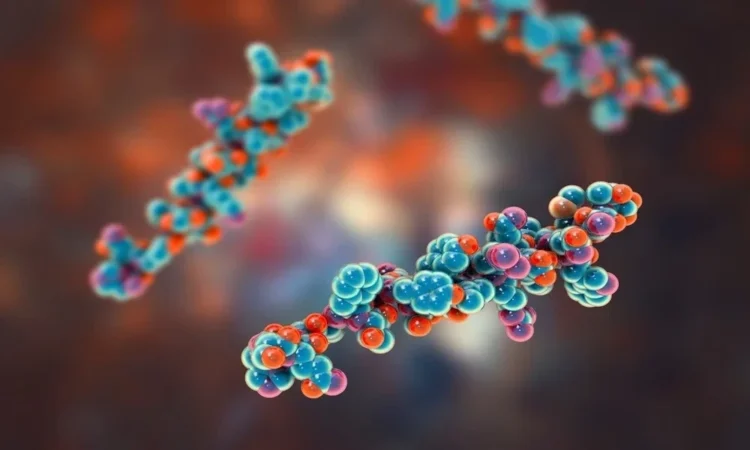
Peptide synthesis involves connecting amino acids one after another in a specific order until they form a chain. When you look at the details, scientists do this as well as cells inside our bodies. Buy retatrutide online canada synthesis process generally works by attaching one amino acid to the next, building outward step by step until the full sequence is there. Order matters a great deal here. Get one amino acid out of place, and the whole peptide ends up structurally and functionally different from what was intended.
In a lab, this usually happens on a solid support, some material that the growing chain stays attached to the entire time. Reagents activate one end of an incoming amino acid so it can bond with whatever’s already built onto the resin. Once that bond forms, leftover chemicals get rinsed away before the next amino acid goes in. This same sequence, attach, wash, repeat, continues until the chain matches the intended structure.
Why does sequence order matter?
What the peptide actually does, once it’s finished, comes down entirely to sequence order. Take two peptides built from the same amino acids and rearrange them, and you end up with two molecules that act completely differently from one another.
This isn’t some small chemistry footnote either. It’s really the whole reason peptides interact with biological systems the way they do.
- Folding pattern. Order dictates how the chain bends and settles into its final shape.
- Receptor binding. Only a peptide with the right sequence fits the receptor it’s supposed to bind.
- Stability. Some sequences hold up against breakdown longer than others, depending on the bonds involved.
Even a small error in that order and the peptide either underperforms or doesn’t work at all.
How does coupling work?
Each amino acid bonds to the next, extending the chain by one. An amino acid’s reactive group activates first, allowing it to connect to a chain’s free end. It must form cleanly. Errors end up baked into final structures as a result of side reactions.
Most of these reactions won’t move forward on their own, not efficiently anyway, so a catalyst or activating agent is usually involved. Without it, the process drags, especially once you’re working with longer sequences that stretch across dozens of amino acids. Temperature matters too, and so does reaction time, both of which chemists tend to watch closely before letting the next coupling step begin.
Deprotection and cleavage steps
Every amino acid used in this process carries a protective group, something blocking reactions from happening where they shouldn’t. Before the next amino acid can attach, that protective group on the previous one needs to come off first, a step called deprotection. Once it’s removed, the reactive site opens up, and the next coupling can proceed.
Cleavage follows after a sequence is completed. Any remaining protective groups still attached to the chain get stripped away once the peptide is detached from its solid support.
- Acid-based cleavage separates the peptide from its support material.
- Side chain protecting groups typically come off around the same step.
- What’s released afterwards still needs purification to clear out leftover byproducts.
Precision is required from the first amino acid to the last protecting group in peptide synthesis. Peptide structure is directly influenced by how closely each step is followed.