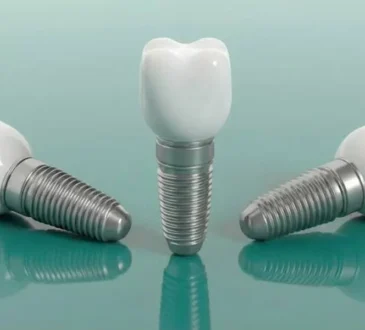


You may be trying to line up school calendars, work schedules, budget limits, and a child’s changing smile all at once. That gets stressful fast. A family smile enhancement sounds simple until you realize timing can affect comfort, cost, results, and how much disruption it causes at home. In some cases, families also explore North Scottsdale implant dentistry as part of a broader long-term dental plan.
The truth is that there is no single perfect age or season for every treatment. The right timeline depends on growth, oral health, daily habits, treatment goals, recovery needs, and how much change you want at one time. When you understand the timing pieces first, decisions feel less rushed and a lot more manageable.
Growth and development shape the best window for treatment
Children, teens, and adults do not move through dental care on the same clock. A child’s jaw is still developing, permanent teeth may still be erupting, and bite patterns can shift over time. That is why timing matters so much for orthodontic concerns, spacing issues, and certain cosmetic plans that need to work with future growth instead of against it.
If you start too early, a child may need longer treatment or a second phase later. If you wait too long, crowding or bite problems can become harder to correct. The American Academy of Pediatric Dentistry’s guidance on developing dentition and occlusion explains why growth patterns and eruption timing matter when planning care for younger patients.
Adults face a different issue. Their teeth and jaws are no longer developing, so treatment planning is often more stable, but existing wear, old fillings, and gum changes can affect the schedule. That is one reason family smile makeover timing often looks different from one person to the next, even in the same household.
Gum health and decay can delay cosmetic work
Many people want to go straight to whitening, veneers, or alignment. That makes sense. You want the visible change. Still, untreated gum disease or tooth decay usually needs attention first. Cosmetic treatment placed on an unhealthy foundation can fail sooner, feel uncomfortable, or produce uneven results.
Bleeding gums, bad breath, tenderness, loose teeth, or swelling are not small issues to work around. They are signs that the timeline needs to shift. The National Institute of Dental and Craniofacial Research offers a clear overview of gum disease and why early treatment matters.
You may have had the experience of planning one appointment and hearing that two or three other things need to happen first. That can feel discouraging, especially if you were ready to finally fix the part of your smile that bothers you most. In many cases, though, this pause protects your long term result.
Daily life and recovery time affect scheduling more than most families expect
A smile enhancement does not happen in a vacuum. It lands in the middle of school photos, sports seasons, weddings, travel, work deadlines, and childcare needs. Some treatments are easy to fit into a normal week. Others come with soreness, follow up visits, eating limits, or time off from routine.
If your child is starting a new school year, if you have a major event coming up, or if a teen plays a wind instrument or contact sport, timing should reflect that reality. The same goes for adults who speak all day for work or cannot easily take extra appointments. A well timed plan can reduce frustration and help everyone stick with treatment.
This is where timing for cosmetic dental treatment becomes practical, not cosmetic. The best clinical choice still has to fit your life well enough to finish it.
Budget and insurance often influence when treatment starts
Families rarely make smile decisions based on teeth alone. Insurance benefit periods, flexible spending account deadlines, and staged treatment costs often affect timing. You may choose to spread care across months or split treatment between calendar years to make it easier financially.
That does not mean delaying care without a plan. It means organizing care in a way that keeps health issues from getting worse while still respecting your budget. A family and cosmetic dentist can often separate urgent work from optional improvements so you know what needs to happen now and what can wait a bit.
Treatment goals determine whether care should be staged or combined
Some people want a small change, such as whitening before photos or smoothing one chipped tooth. Others want broader work that improves color, spacing, shape, and bite together. Those goals create very different timelines.
For example, whitening may come before bonding or veneers so the final shade can match your brighter teeth. Orthodontic treatment may need to happen before cosmetic reshaping if the tooth positions are part of the problem. Replacing old dental work can also change the order. A stronger plan is often a phased plan, even when the final goal is simple.
Age related oral changes can change the pace of smile planning
Teeth and gums change over time. Older adults may deal with dry mouth, gum recession, worn enamel, or medical conditions that affect healing and comfort. The National Institute on Aging shares practical guidance on taking care of your teeth and mouth as you age, and those points often shape treatment timing.
If you are caring for both children and aging parents, this part can hit home. One family may need early orthodontic evaluation for a child, whitening for a parent before a wedding, and restorative work for a grandparent, all on different schedules. That is why smile enhancement planning needs to be personal, not generic.
Common timing factors and what they often mean
| Factor | What It Can Affect | Common Timing Result |
|---|---|---|
| Jaw growth and tooth eruption | Orthodontics, spacing, bite correction | Early evaluation, treatment may be delayed or phased |
| Gum disease or cavities | Whitening, veneers, bonding, restorative work | Health issues treated first before cosmetic care |
| School, sports, work, events | Appointment frequency, recovery, comfort | Treatment scheduled around busy seasons or major dates |
| Budget and insurance cycles | Scope of care, treatment phases | Care spread across months or benefit years |
| Desired results | Whitening, alignment, reshaping, restorations | Single visit or multi step plan depending on goals |
| Age related oral changes | Healing, sensitivity, long term maintenance | Slower pacing or more conservative scheduling |
Steps you can take before choosing a treatment date
Schedule an evaluation before picking a cosmetic option. You need to know whether the real issue is alignment, gum health, enamel wear, old dental work, or all of the above. The treatment you want first may not be the one that should happen first.
Map treatment against your family calendar. Look at school breaks, travel, sports, performances, work deadlines, and major events. A realistic timeline leads to fewer missed visits and less stress at home.
Ask for a phased plan with priorities. Request a list that separates urgent care, health based care, and elective cosmetic steps. That gives you room to move forward without feeling pressured to do everything at once.
A well timed smile plan can protect your oral health, your schedule, and your budget. If you have been putting this off because the process feels hard to sort out, that reaction makes sense. The next step is simply getting a clear plan from a trusted family and cosmetic dentist, then moving one decision at a time.