

Clear speech depends on far more than the tongue and vocal cords. Teeth play a direct role in shaping sounds, guiding airflow, and stabilising the lips. When one or more teeth are missing, pronunciation can subtly shift. Certain consonants may sound slurred, whistled, or less defined. For many adults in London, these changes are gradual and easy to dismiss at first, but over time they can affect confidence in meetings, social settings, and everyday conversations.
Speech difficulties caused by tooth loss often involve sounds such as “s”, “f”, “v”, “t”, and “th”. These are known as fricatives and sibilants, and they require precise contact between the tongue, teeth, and lips. Even a single gap can alter airflow patterns. While dentures and bridges may restore appearance, they do not always replicate the same stability as natural teeth. This is where implant dentistry has gained attention, particularly among patients researching options such as a dental implant London treatment plan that prioritises both function and aesthetics.
How Dental Implants Help Restoring Structural Support
According to Dr. Sahil Patel of MaryleboneSmileClinic, restoring structural support is central to regaining natural speech patterns after having done dental implants in London. He explains that when implants are properly positioned, they provide a stable foundation that allows the tongue and lips to function predictably again. Patients who want to understand how implant treatment may influence speech recovery can visit this site for detailed clinical information and guidance tailored to individual cases. His advice highlights that speech improvements are not incidental; they are closely linked to biomechanics and precision placement.
Understanding how implants contribute to clearer communication requires examining the mechanics behind everyday speech. From airflow control to muscle memory, the following sections outline five specific ways implants can make a measurable difference.
Restoring Stable Contact Points for Precise Pronunciation
The first way implants improve speech is by restoring stable contact points between the tongue and the teeth. Many speech sounds depend on controlled touches or near-touches between the tongue tip and the upper front teeth. When those teeth are missing, the tongue may compensate by pressing against the gums or shifting position. This adaptation can create lisping or distorted consonants.
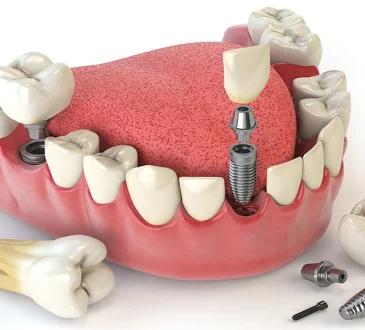
Dental implants are anchored directly into the jawbone, acting as artificial roots. Once integrated, they support crowns that replicate the shape and contour of natural teeth. This stability ensures that when the tongue forms sounds such as “t” or “d”, it meets a firm and immovable surface. Unlike removable dentures, implants do not shift during conversation, which reduces the need for subconscious adjustments.
In clinical observations across London practices, patients frequently report that speech feels more predictable within weeks of receiving implant-supported restorations. The brain adapts quickly when consistent contact points are reintroduced. Because implants mimic the positioning of natural teeth so closely, they support clearer articulation without requiring exaggerated mouth movements.
This stability also benefits professional communication. Whether presenting in a boardroom or speaking on public transport announcements, individuals rely on precision. The absence of micro-movements caused by loose prosthetics allows for greater control over tone and volume. Over time, this predictability can help restore natural rhythm and pacing in speech, reinforcing both clarity and self-assurance.
Improving Airflow Control for Clearer “S” and “F” Sounds
The second improvement involves airflow management. Sounds such as “s” and “f” require controlled streams of air to pass between the teeth and lips. When gaps exist, air may escape unpredictably, creating whistling or hissing variations. Even small discrepancies in spacing can alter how air pressure builds and releases.
Implants restore the natural architecture of the dental arch, closing spaces that disrupt airflow. When crowns are carefully shaped and aligned, they recreate the subtle angles that guide air during pronunciation. This is particularly important for sibilant sounds, which are highly sensitive to minor structural differences.
In contrast, removable dentures may allow slight movement under pressure. Even minimal displacement can change airflow direction mid-sentence. Implant-supported teeth remain fixed, preserving consistent pathways for air to travel. This consistency enables more reliable sound production and reduces the effort required to articulate clearly.
Speech therapists in London sometimes collaborate with dental professionals when structural factors are involved. While therapy addresses muscular habits, implants address the physical framework. Together, these approaches can help individuals regain crisp consonants and balanced tone. Patients who have struggled with persistent lisping due to missing incisors often notice that once airflow is corrected through stable restoration, their pronunciation improves with less conscious effort.
By reinstating natural spacing and contour, implants act as architectural corrections within the mouth. The result is smoother airflow and more defined speech, particularly for sounds that rely on narrow channels and precise positioning.
Supporting Lip Structure and Facial Muscle Coordination
The third benefit relates to lip support and muscle coordination. Teeth provide structural backing for the lips, influencing how they move during speech. When several teeth are missing, particularly at the front, the lips may collapse slightly inward. This alters how they form sounds such as “b”, “p”, and “m”, which depend on firm lip contact.
Implants help maintain facial structure by preserving jawbone density and supporting overlying soft tissues. Because they integrate with the bone, they stimulate it in a way similar to natural roots. This prevents the gradual shrinkage that can occur after tooth loss. With proper support restored, the lips regain a more natural resting position.
Improved lip posture contributes to clearer bilabial sounds, which require both lips to meet evenly. Without adequate support, these sounds can feel weak or breathy. Implant-supported restorations create a stable platform behind the lips, enabling stronger closure and sharper enunciation.
Muscle coordination also benefits from this stability. When the mouth’s internal framework is consistent, facial muscles do not need to compensate for gaps or shifting appliances. This reduces strain during prolonged conversations and helps maintain natural cadence. For professionals who speak frequently, such as teachers, broadcasters, or solicitors, reduced muscular fatigue can make a noticeable difference.
By addressing both bone integrity and soft tissue support, implants influence more than appearance. They enhance the structural harmony required for confident, well-modulated speech, ensuring that lip movements align with intended sounds.
Enhancing Confidence and Reducing Speech Hesitation
The fourth way implants improve speech extends beyond mechanics into psychology. Confidence plays a measurable role in how clearly people speak. Individuals concerned about loose dentures, visible gaps, or clicking noises may subconsciously restrict mouth movements. This hesitation can make speech appear guarded or less fluent.
Implants provide a sense of permanence. Because they are fixed and secure, patients often feel less anxious about teeth shifting mid-sentence. This reassurance allows them to project their voice more freely and maintain natural facial expressions. In social and professional environments across London, this confidence can influence first impressions and ongoing interactions.
When speech feels reliable, individuals are more likely to engage fully in conversations. They may speak at a steady pace rather than rushing to avoid potential embarrassment. Over time, reduced anxiety contributes to smoother delivery and improved clarity.
It is important to recognise that speech hesitation is not solely a cosmetic concern. Communication underpins career progression, relationships, and everyday tasks. For some patients exploring options like dental implant London services, the decision is partly motivated by the desire to speak without self-consciousness. By eliminating movement and restoring natural form, implants help remove psychological barriers that can subtly interfere with articulation.
Confidence, combined with structural stability, creates a powerful synergy. When people trust their teeth to function properly, they are more likely to express themselves clearly and consistently.
Promoting Long-Term Oral Stability for Lasting Speech Benefits
The fifth and final improvement relates to longevity. Temporary solutions may offer short-term speech enhancement, but implants provide sustained structural support. Because they fuse with the jawbone through osseointegration, they become a durable part of the oral framework.
Long-term stability means that speech improvements are not fleeting. As surrounding bone remains stimulated, facial contours are preserved and alignment remains consistent. This reduces the likelihood of progressive changes that could reintroduce articulation difficulties.
Maintenance is also straightforward. With appropriate oral hygiene and routine dental reviews, implant-supported restorations can last many years. Their predictability supports ongoing speech clarity without repeated adjustments. For adults balancing professional responsibilities and personal commitments, this reliability is significant.
In London’s diverse working environment, effective communication is essential. Whether in healthcare, finance, education, or hospitality, speech clarity influences daily interactions. Implants contribute by restoring the anatomical relationships that underpin pronunciation. From stable tongue contact to controlled airflow and lip support, each element works together to sustain natural speech patterns.
While every patient’s needs differ, the consistent theme is structural restoration. By addressing the root cause of articulation changes rather than masking them, implants offer a comprehensive solution. Clear speech depends on stable foundations, and modern implant dentistry provides precisely that, helping individuals speak with assurance and accuracy for years to come.