How Pediatric Dentists Monitor Talon Cusps And Other Dental Shape Variations

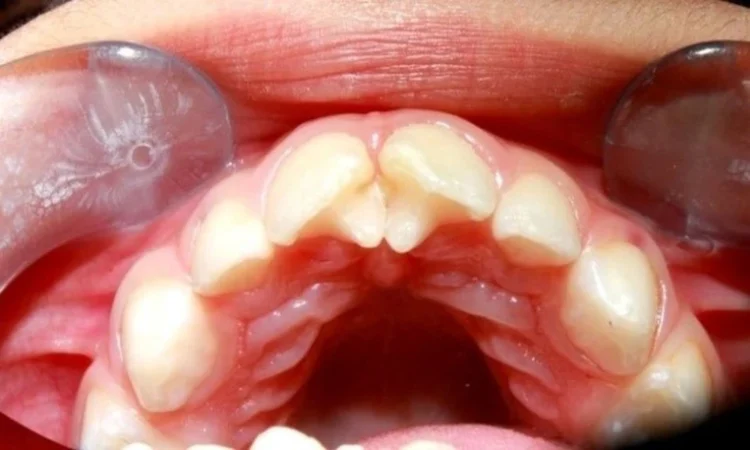
You notice a point on your child’s tooth that does not look like anyone else’s. Maybe it catches the light in a strange way, maybe it looks like an extra bump, maybe your child says food gets stuck there or the bite feels “off.” That kind of small surprise can turn into a big worry fast, and seeing a kids emergency dentist in West Los Angeles can help you figure out what is going on. You are not overreacting. Tooth shape differences can be harmless, but they can also affect biting, cleaning, wear, and comfort if nobody keeps an eye on them.
How pediatric dentists monitor talon cusps and other dental shape variations comes down to one simple goal. They track how the tooth develops, how your child bites, and whether the shape is causing trouble now or setting up a problem later. Some children need nothing more than regular checks. Others need smoothing, sealing, X rays, or a plan that changes as adult teeth come in.
Pediatric dentists watch dental shape variations for changes in bite, wear, and decay risk
A talon cusp is an extra cusp, or raised projection, usually found on a front tooth. It can look like a claw or horn coming off the tooth surface. Other shape variations include peg shaped teeth, extra grooves, unusually deep pits, shovel shaped incisors, fusion, gemination, and enamel irregularities. Parents often hear these terms and feel lost right away. The name matters less than the effect.
The concern is not only how the tooth looks. A shape difference can change the way upper and lower teeth meet. That can lead to uneven pressure, faster wear, chipping, jaw discomfort, or trouble closing the mouth fully. Deep grooves can also trap plaque and raise the chance of decay. If a cusp contains pulp tissue, aggressive trimming could irritate the tooth, which is why monitoring matters more than guessing.
A children’s dentist starts by examining the tooth shape, location, and contact with the opposing tooth. They look at speech, chewing, brushing difficulty, gum health, and whether the area is easy to keep clean. If the child is young and the tooth is still erupting, the plan may be watchful waiting with photos and bite checks at each visit. If the shape is already causing trauma to the tongue, lip, or opposing tooth, treatment moves faster.
This is where a lot of parents get stuck. If the tooth is not hurting, it is tempting to leave it alone forever. If it looks unusual, it is also tempting to ask for immediate cosmetic correction. Both reactions make sense. Neither is always right. A monitored approach protects the tooth while giving the dentist time to see whether the bite stays stable or starts to shift.
Guidance from the American Academy of Pediatric Dentistry supports ongoing evaluation of developing teeth and bite relationships as children grow. You can review the AAPD recommendations on developing dentition and occlusion for a closer look at how pediatric dentists follow these changes over time.
Talon cusp monitoring often involves exams, imaging, and small preventive treatments
Monitoring does not always mean doing nothing. It often means doing small things early so bigger problems do not build quietly. A pediatric dental specialist may smooth a sharp edge a little at a time, especially if the cusp is interfering with the bite. Gradual reduction helps protect the tooth if pulp extends into the cusp. Fluoride treatments may be used after adjustment to reduce sensitivity and support enamel.
Sealants or bonded materials can help when unusual grooves collect plaque. X rays can show the inner structure of the tooth and whether the extra cusp contains pulp tissue. That detail changes the plan. If the pulp extends far into the cusp, the dentist may avoid major reshaping. If the variation is linked to crowding or altered eruption, the child may also need orthodontic monitoring later.
Some children never need active treatment. Others need a series of short visits spread over months. The point is not to create a long list of procedures. The point is to protect function. The National Institute of Dental and Craniofacial Research offers a useful overview of oral conditions in children, including issues that can affect developing teeth and daily care.
Professional monitoring gives clearer answers than home observation alone
| Concern | Watching at Home | Pediatric dentist monitoring |
|---|---|---|
| Visible shape change | You may notice an unusual bump or groove | Measures whether the tooth shape affects eruption, contact points, or enamel health |
| Bite interference | Child may say the tooth feels weird when chewing | Checks bite marks, wear patterns, and whether the opposing tooth is being damaged |
| Decay risk | Hard to see plaque trapped in deep grooves | Identifies grooves that may need sealants or closer cleaning support |
| Pulp involvement | Cannot be judged by appearance alone | Uses imaging to see whether a talon cusp can be safely reduced |
| Treatment timing | Easy to wait too long or push too soon | Builds a staged plan based on growth, symptoms, and tooth development |
This is why dental shape variations in children are usually followed over time instead of handled in one rushed visit. A tooth can look stable at age six and create bite wear by age eight. Another can look dramatic and never cause a problem at all.
Three steps help you respond without panic
Take clear photos and note symptoms. Get a close photo of the tooth from the front and side if your child allows it. Write down anything your child says about pain, food trapping, tongue irritation, or trouble biting. That timeline helps the dentist see whether the issue is stable or changing.
Schedule an exam before trying to judge it yourself. Do not assume an unusual shape is cosmetic only, and do not assume it is an emergency unless there is pain, swelling, trauma, or bleeding. A pediatric dentist can tell whether the tooth needs observation, imaging, or minor treatment.
Keep the area extra clean and avoid hard pressure. Brush carefully around grooves and ridges, floss if contacts allow it, and avoid habits like chewing ice or biting hard objects if the tooth is prominent. If the cusp is rubbing the tongue or lip, mention that right away.
Early monitoring protects your child’s comfort and long term tooth health
When a child has a talon cusp or another unusual tooth shape, the hardest part is often the uncertainty. You see something different and you do not know whether it is nothing or the start of a bigger problem. Regular monitoring gives you a real answer. It tracks the bite, protects enamel, and catches trouble before it turns into pain or complex treatment.
If you have noticed an unusual tooth shape, schedule a visit with a pediatric dentist and have it evaluated while the change is still easy to manage.